
Category: Culture

  • From Lagos to London: A New Home for African Stories

    From Lagos to London: A New Home for African Stories

    Photo: Danielle G. Campbell / WikiPortraits, via Wikimedia Commons. CC BY-SA 4.0. Cropped. Mo Abudu at TIFF 2025.

    A film can take us into another person’s world. A meal can bring back memories of home. A piece of clothing can introduce us to a designer we might otherwise never discover.

    Nigerian media entrepreneur and producer Mo Abudu is bringing those experiences together at EbonyLife Place London, which officially opened on 8 October 2026.

    The new venue carries a connection to Lagos, where she opened the original EbonyLife Place in 2019. Its London chapter gives that idea another address: a place where African creativity can meet audiences beyond the continent.

    Making room for our stories

    Speaking to AFP about the project, Abudu explained her motivation in a few words: “It’s time to tell our own stories.”

    Born in London, she recalled having few opportunities to watch Black films during her youth. Her response has been to help build the kind of cultural space she wanted to see.

    At the centre of the venue is a cinema dedicated to African and Black storytelling. Its ambition reaches beyond one country, with space for films from across Africa and the diaspora.

    More than a cinema

    The wider venue brings together food, fashion and art, allowing visitors to encounter different forms of creativity during the same visit.

    For a filmmaker or designer, places like this could help an unfamiliar audience discover their work. For someone with African roots, they could offer a connection to home. For other visitors, they could be an invitation to explore.

    Those possibilities explain why this opening matters. Creating work is one part of the journey; helping it reach people is another.

    A beginning worth following

    It is still early. The venue’s lasting contribution will depend on its programme, the creators it supports and the audiences who return.

    But the opening is already a concrete achievement: an entrepreneur has taken an idea developed in Lagos and given it a new home in London.

    For MyHappyAfrica, that is a story worth sharing—and following as its next chapter unfolds.

    Sources: EbonyLife Place London⁠ · Screen Daily⁠.

    AFP / Channels Television

  • In Egypt, grandmother’s recipes open new doors for Esna’s women

    In Egypt, grandmother’s recipes open new doors for Esna’s women

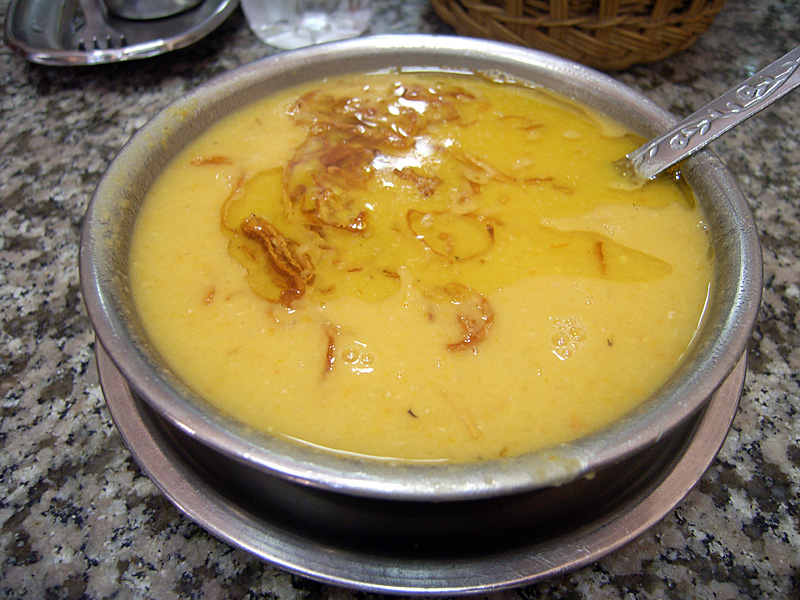
    Photo: Roland Unger / Wikimedia Commons⁠, CC BY-SA 3.0⁠. Egyptian lentil soup, shown for illustration.

    In Esna, southern Egypt, recipes passed down by mothers and grandmothers are opening a new door. Through Esna Kitchen, local women are sharing their food heritage with visitors while developing skills in hospitality.

    From family tables to welcoming visitors

    The initiative began with a cooking competition in 2023. Thirty-nine women brought traditional recipes, helping uncover knowledge that had often remained inside family homes.

    A group then trained with a professional chef to document ingredients, refine preparation and develop food safety and presentation skills. A heritage house became the project’s home, welcoming visitors from October 2024.

    Keeping more than recipes alive

    According to a September 2026 report in Al-Masry Al-Youm, the project preserves the stories behind the dishes while creating opportunities for women to work in tourism.

    Its ambition is to turn local knowledge into lasting economic value. The report does not provide income figures, but describes a practical approach to connecting culinary heritage with employment.

    For MyHappyAfrica, this is a hopeful story: skills passed between generations finding a wider audience, with the women who carry that knowledge at its heart.

    Source: Al-Masry Al-Youm, 5 September 2026.

  • A taste of Senegal, a tradition worth sharing.

    A taste of Senegal, a tradition worth sharing.

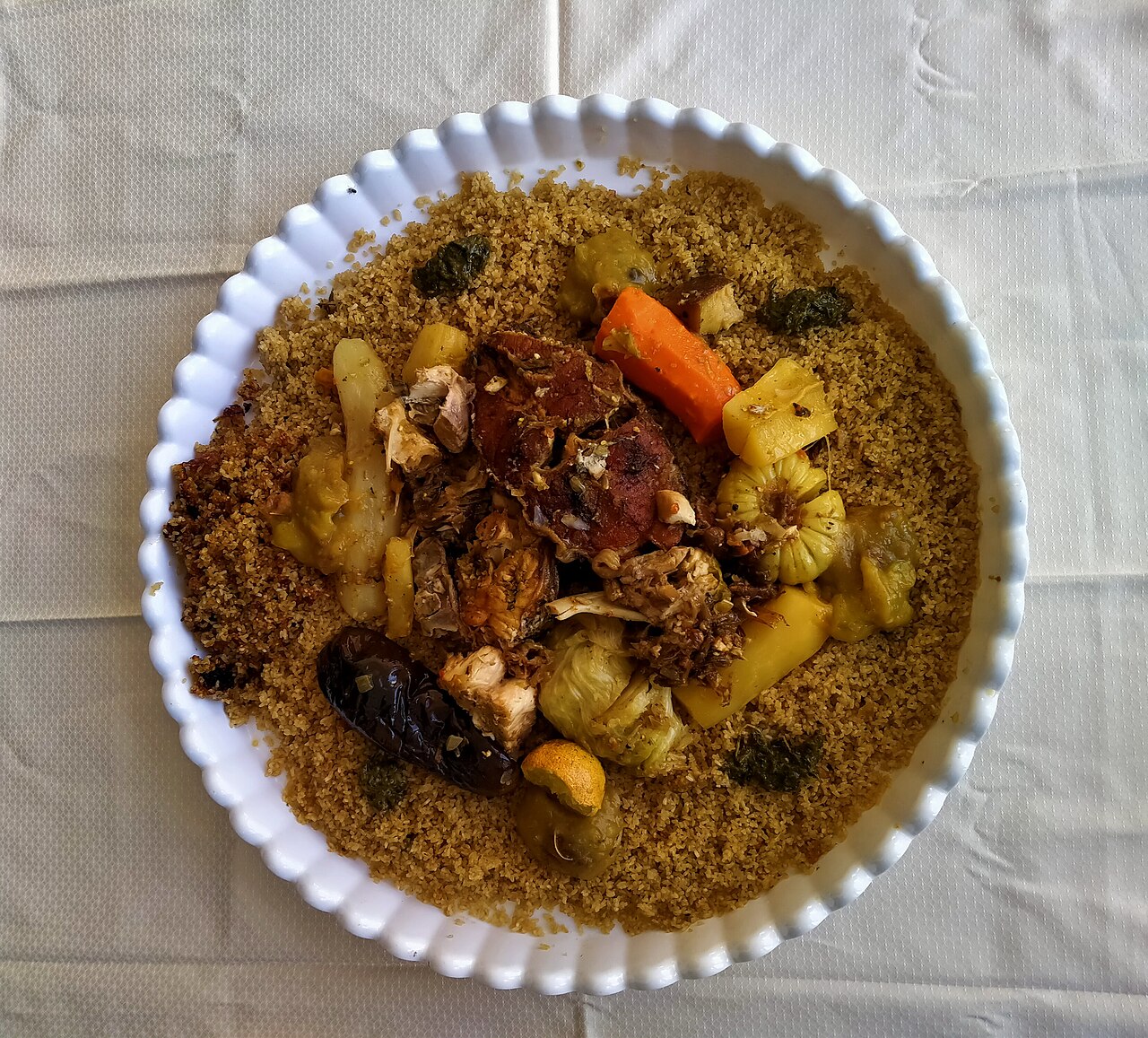
    Photo: Salma03regine / Wikimedia Commons, CC BY-SA 4.0.

    A shared meal can carry a country’s history. In Senegal, ceebu jën—also known as thiéboudienne—brings together rice, fish and vegetables, along with knowledge passed from one generation to the next.

    Originating in the fishing communities of Saint-Louis, its recipes and preparation techniques have traditionally travelled from mother to daughter. Each generation inherits skills that reach beyond the cooking pot: choosing ingredients, preparing the meal and welcoming others around it.

    Keeping a living tradition alive

    In 2021, UNESCO recognised ceebu jën as part of humanity’s intangible cultural heritage. That recognition celebrates the people and practices surrounding the dish.

    The work continues. In February 2026, a research mission in Saint-Louis documented how communities preserve and transmit this culinary tradition. A workshop in Dakar followed in March, bringing together community representatives and heritage professionals to exchange experience.

    UNESCO reported on these efforts in August 2026, highlighting the importance of women, local knowledge and passing culinary skills to future generations.

    A taste of belonging

    For MyHappyAfrica, this is a story of everyday creativity: people keeping their heritage alive through something familiar, useful and shared.

    Ceebu jën offers an invitation to discover Senegal through its food—and the people whose knowledge gives it meaning .

    Source: UNESCO, August 2026.

  • African stories find a new stage in London

    African stories find a new stage in London

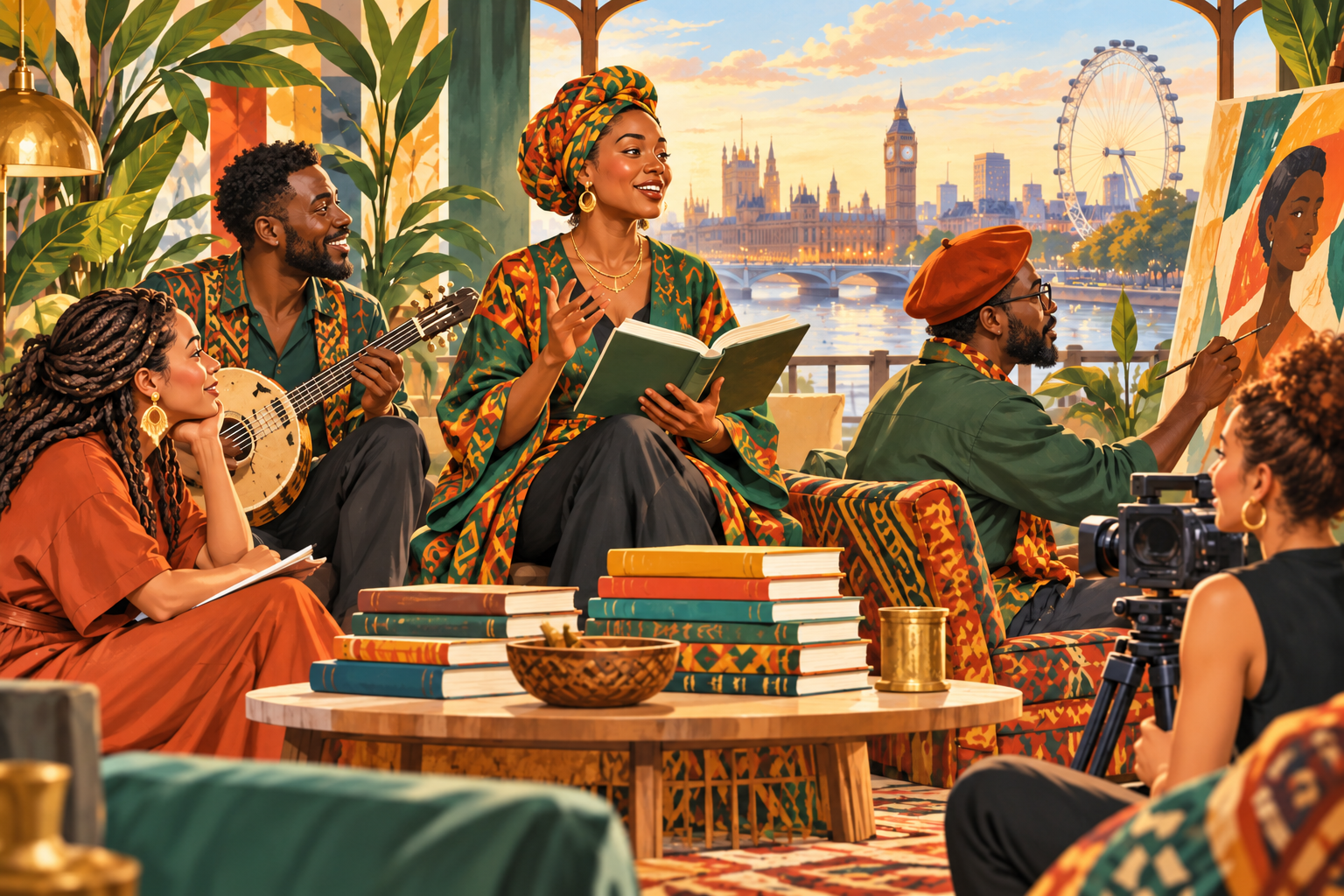
    Image: AI illustration of African creativity in London; not a photograph of the festival.

    This October, African stories are preparing to take centre stage in London. A new festival aims to bring literature, film, music and art together, connecting Africa’s cultural heritage with audiences across the diaspora and beyond.

    The African Heritage Festival London will hold its main programme from 8 to 11 October 2026 at Mountview and the CLF Art Lounge in Peckham.

    The inaugural festival will celebrate the literary legacy of Nigerian writer D. O. Fágúnwà, bringing literature, cinema, music and visual art into a shared celebration of African creativity.

    The organisers want to bring together writers, filmmakers, artists, families and young people. The programme includes music, conversation and a creative presentation inspired by Yoruba wedding traditions.

    For Africans living abroad, events like this can offer a connection with cultural roots. For other visitors, they can open a door to stories and traditions they have yet to discover.

    For MyHappyAfrica, this is a hopeful cultural story: people creating space for African voices, sharing their heritage and inviting a new generation to take part. The festival is still ahead, but its ambition is clear—to help these stories reach more people.

    Source: African Heritage Festival London — official programme.

  • Davido Brings a Major Afrobeats Residency Home to Lagos

    Davido Brings a Major Afrobeats Residency Home to Lagos

    Nigerian Afrobeats star Davido is bringing a major music celebration home.

    From 17 to 19 December 2026, he will perform for three nights at the renovated National Theatre in Lagos. Titled Oriadé: The Residency, the event will celebrate his latest album and his 15-year musical journey.

    The residency is more than a series of concerts. Davido wants to demonstrate that African artists can produce world-class entertainment experiences on the continent, using African venues, creative talent and local businesses.

    The performances are also expected to attract music fans and visitors to Lagos during the busy December season—supporting jobs, tourism and Nigeria’s growing creative economy.

    After taking Afrobeats around the world, Davido is returning to the audience and city that helped shape his career.

    This is not simply Davido coming home to perform. It is a statement that Africa does not have to export all its greatest moments for the world to value them.

    For three nights, Lagos will not just host an Afrobeats concert—it will stand at the centre of global African culture.

    And perhaps this is only the beginning: a future where the world no longer watches Africa’s biggest moments from somewhere else, but travels to Africa to experience them.

    Real People. Real Progress. Real Africa.

    Sources: CNN; Davido’s official announcement; TheCable Lifestyle.

  • Africa Foto Fair Helps African Photographers Tell Their Own Stories

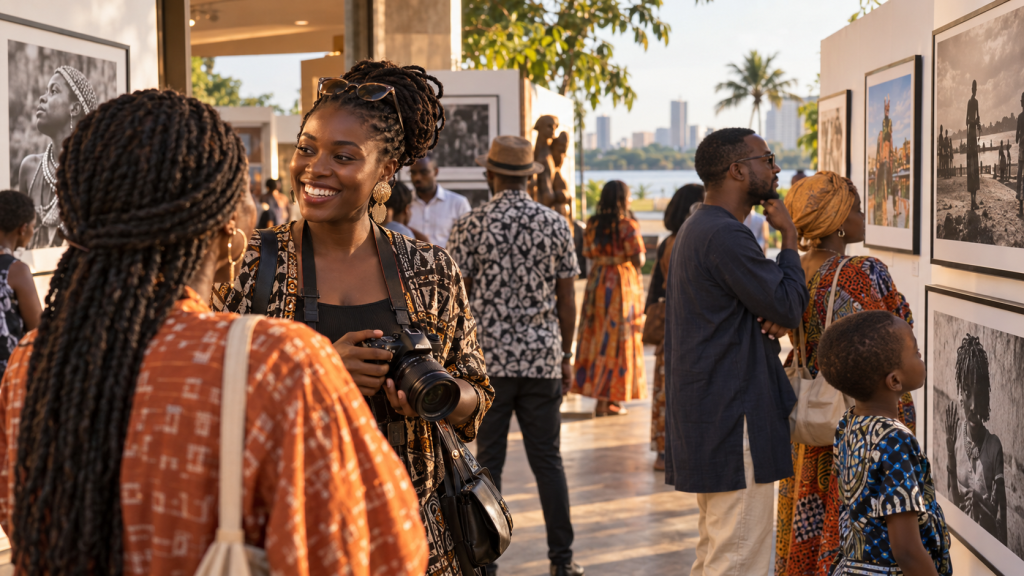
    Photography is more than taking beautiful pictures. It allows people to preserve memories, document everyday life and tell their communities’ stories in their own way.

    In Côte d’Ivoire, Africa Foto Fair is creating a bigger stage for photographers from Africa and beyond. Founded by Ethiopian photographer Aïda Muluneh, the festival brings exhibitions, education and public activities to local audiences.

    A stage for African perspectives

    The fair helps African photographers present their own experiences instead of allowing the continent to be seen mainly through outside perspectives.

    Its 2024 edition in Abobo, Abidjan, welcomed 67 photographers from 31 countries. According to The Guardian, attendance reached 11,810 people—an increase of 47% compared with the previous edition.

    The programme extended beyond exhibitions. It included photography workshops for children, portfolio reviews for emerging artists, literacy activities and community health screenings.

    Taking art closer to the community

    In 2025, the fourth Africa Foto Fair expanded to Grand-Bassam, a UNESCO World Heritage city in Côte d’Ivoire.

    The programme featured more than 70 artists, alongside lectures, workshops, film screenings and activities for young people. Emerging Ivorian photographers were also given space to exhibit their work alongside established international artists.

    By holding activities in accessible public and cultural spaces, the fair helps people encounter photography who may not regularly visit traditional galleries.

    Building skills and opportunities

    Africa Foto Fair is not only celebrating finished photographs. It is helping young creatives learn, meet experienced professionals and understand how artistic talent can develop into a career.

    Portfolio reviews and workshops give emerging photographers practical guidance. Exhibitions allow them to reach new audiences, while collaboration with other artists can lead to future opportunities.

    The fair also strengthens Côte d’Ivoire’s growing reputation as a centre for African art and creativity.

    Africans telling African stories

    The most important part of the initiative is ownership. African photographers are documenting their own families, neighbourhoods, cultures and changing societies.

    Their pictures show that Africa is not one single story. It is a continent filled with different experiences, identities and creative voices.

    By helping photographers control how their communities are represented, Africa Foto Fair is building confidence as well as artistic opportunity.

    That is real progress: Africans using creativity to tell their own stories and allowing the world to see the continent through their eyes.

    Real People. Real Progress. Real Africa.

    Sources: The Guardian, 17 December 2024; PhotoVogue, 28 November 2025.

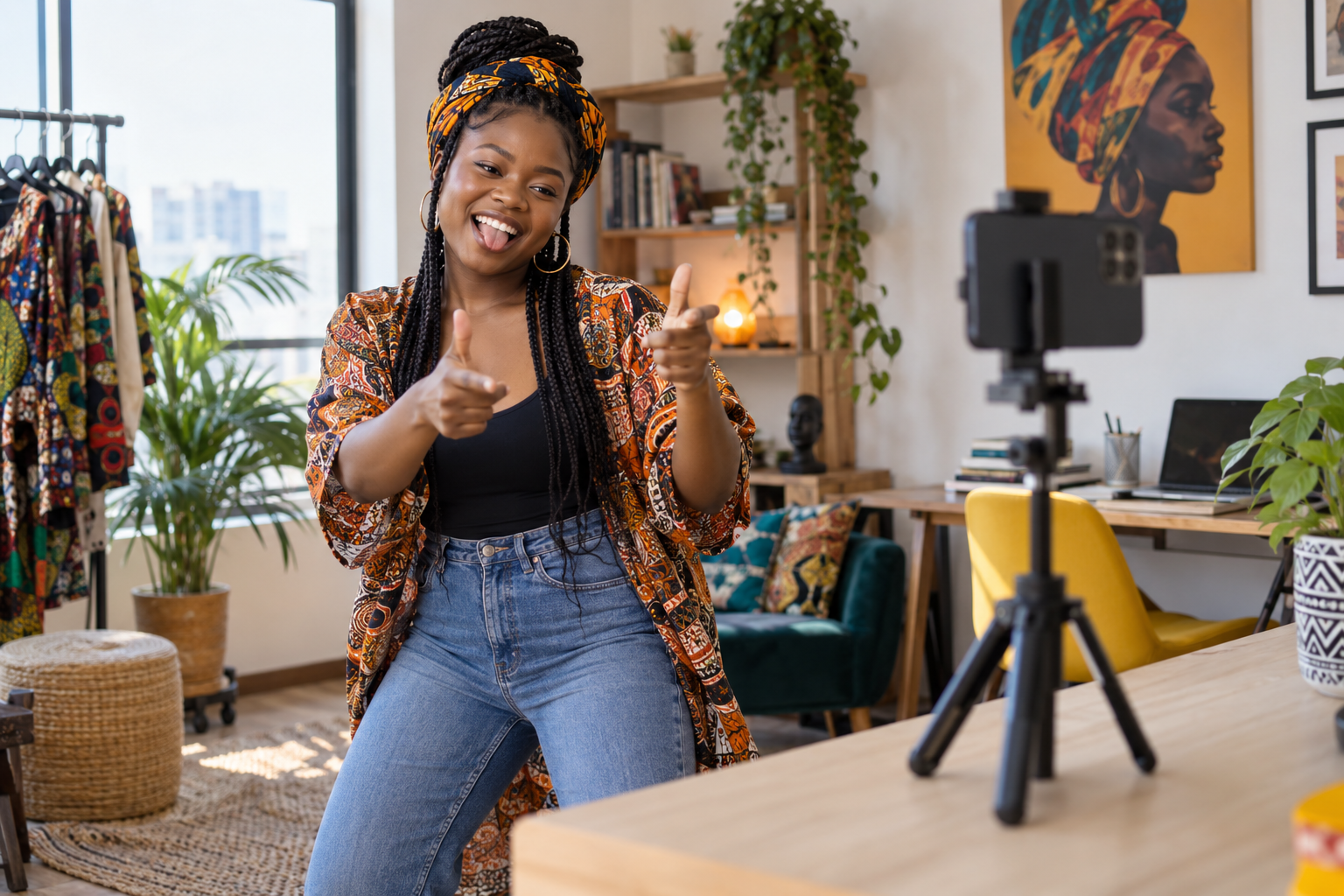
  • Nigerian Creator Uses Humour to Challenge Stereotypes About Africa

    Nigerian Creator Uses Humour to Challenge Stereotypes About Africa

    Nigerian content creator Charity Ekezie is using humour and creativity to challenge outdated stereotypes about Africa—and millions of people around the world are watching.

    Trained as a journalist, Charity began creating comedy sketches and videos online. Her audience grew rapidly after she joined TikTok in 2020, and she now has about 3.7 million followers on the platform.

    Her videos answer stereotypical questions with clever visual humour. If someone asks whether Africans have phones, for example, she may jokingly say no while a phone is clearly visible in the background. The humour exposes how inaccurate—and sometimes absurd—these assumptions can be.

    Charity combines entertainment with careful research. Before creating content about an African country or culture, she reads widely, consults followers and speaks with people who live there. Her videos help audiences learn while enjoying the humour.

    This is what positive change looks like: an African creator using her talent and her own voice to replace tired stereotypes with humour, facts and a more confident picture of the continent.

    Original source: The UNESCO Courier – Charity Ekezie: News organizations need to find more creative ways to engage with youth

    https://courier.unesco.org/en/articles/charity-ekezie-news-organizations-need-find-more-creative-ways-engage-youth

    Featured image: AI-generated illustration created for MyHappyAfrica.