Category: Innovation

  • One Solar-Powered Tablet Is Transforming a Rural Classroom in Somaliland

    At Geedbalaadh Primary School in Somaliland, teacher Khadan Cabdi Bade is using one solar-powered tablet to help around 30 children learn.

    Because there is only one tablet, Khadan divides the pupils into small groups according to their learning level. Each group takes turns using digital lessons while she supports the other children.

    The project began with 15 teachers across five schools. Teachers reported stronger student engagement, better participation and understanding, and greater confidence in their teaching.
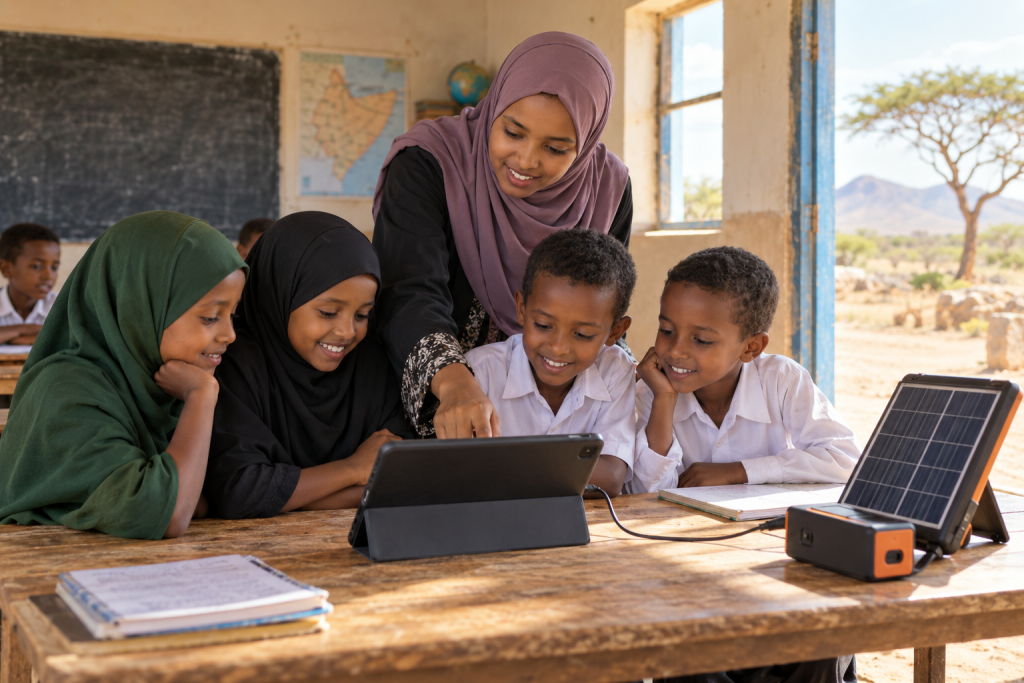
    The technology works even without access to the electricity grid. Solar panels power the school, while a compact solar unit keeps the tablet charged throughout the lessons.

    After the success of the pilot, the programme is preparing to expand to 56 schools across Somaliland.

    This is what positive progress looks like: simple technology, renewable energy and a dedicated teacher working together so rural children are not left behind.

    Source: UNICEF Somalia https://www.unicef.org/somalia/stories/powered-teach
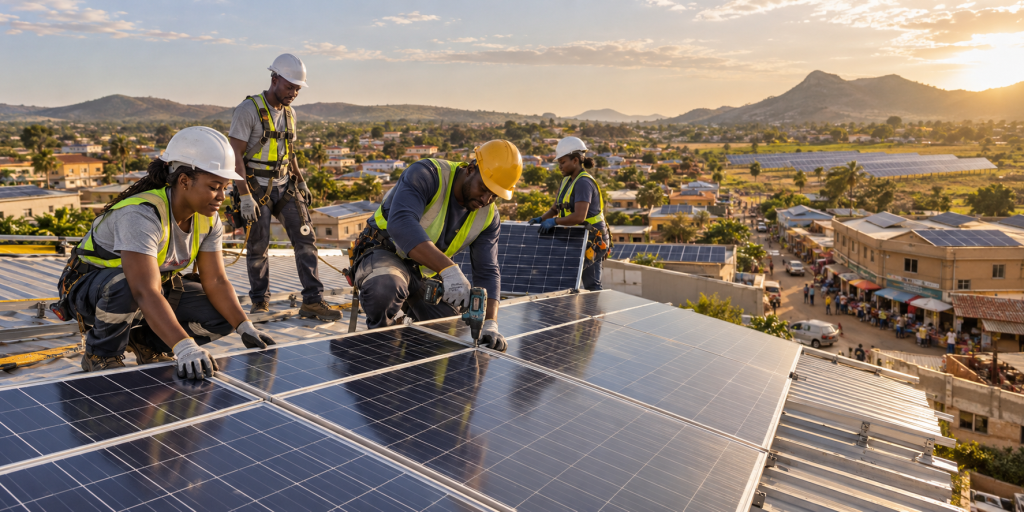
  • Africa Heads for a Record Year in Solar Power

    Africa is on course to install a record 17 gigawatts of solar power in 2026—an increase of 45% compared with last year—according to new analysis by energy think tank Ember.

    That is equivalent to roughly 100,000 solar panels being installed every day. It would also mark Africa’s third consecutive record year, following strong growth in both 2024 and 2025.

    The progress is spreading far beyond Africa’s traditional solar leaders. Thirty-six of the continent’s 54 countries are expected to install record amounts of solar capacity this year, while installations could more than double in 19 countries.

    Why It Matters

    Much of this expansion is being driven by smaller solar systems used by homes and businesses. These installations can bring electricity to communities, support local enterprises and reduce dependence on unreliable power supplies without waiting for large national projects.

    A Brighter Future

    The solar surge shows how quickly practical technology can spread when it becomes affordable and accessible. It is a powerful sign of African households, entrepreneurs and communities taking their energy future into their own hands.

    Source: Ember and African Tech Futures Lab

  • African Innovators Win $50,000 for Transforming Education

    Three African innovators from the Democratic Republic of the Congo, Nigeria and Zimbabwe have received a total of $50,000 for developing creative solutions that are helping to transform education across the continent.

    The awards were presented at the African Union’s Innovating Education in Africa 2026 Expo, which brought together educators, researchers, young people and technology innovators to showcase home-grown solutions for improving learning.

    Genyss from the Democratic Republic of the Congo won first prize and received $25,000. Blue Sands STEM Labs from Nigeria received the $15,000 second prize, while Skill Corp from Zimbabwe won third prize and received $10,000.

    Why It Matters

    These awards show that African innovators are creating practical answers to Africa’s education challenges. By improving access to quality learning, strengthening digital inclusion and preparing young people with future-ready skills, their work could benefit learners far beyond their own countries.

    A Positive Step Forward

    The success of Genyss, Blue Sands STEM Labs and Skill Corp is another reminder that Africa’s young thinkers are not waiting for change—they are building it.

    Source: African Union

  • South African Innovator Turns Farm Waste into Biodegradable Plastic

    South African Innovator Turns Farm Waste into Biodegradable Plastic

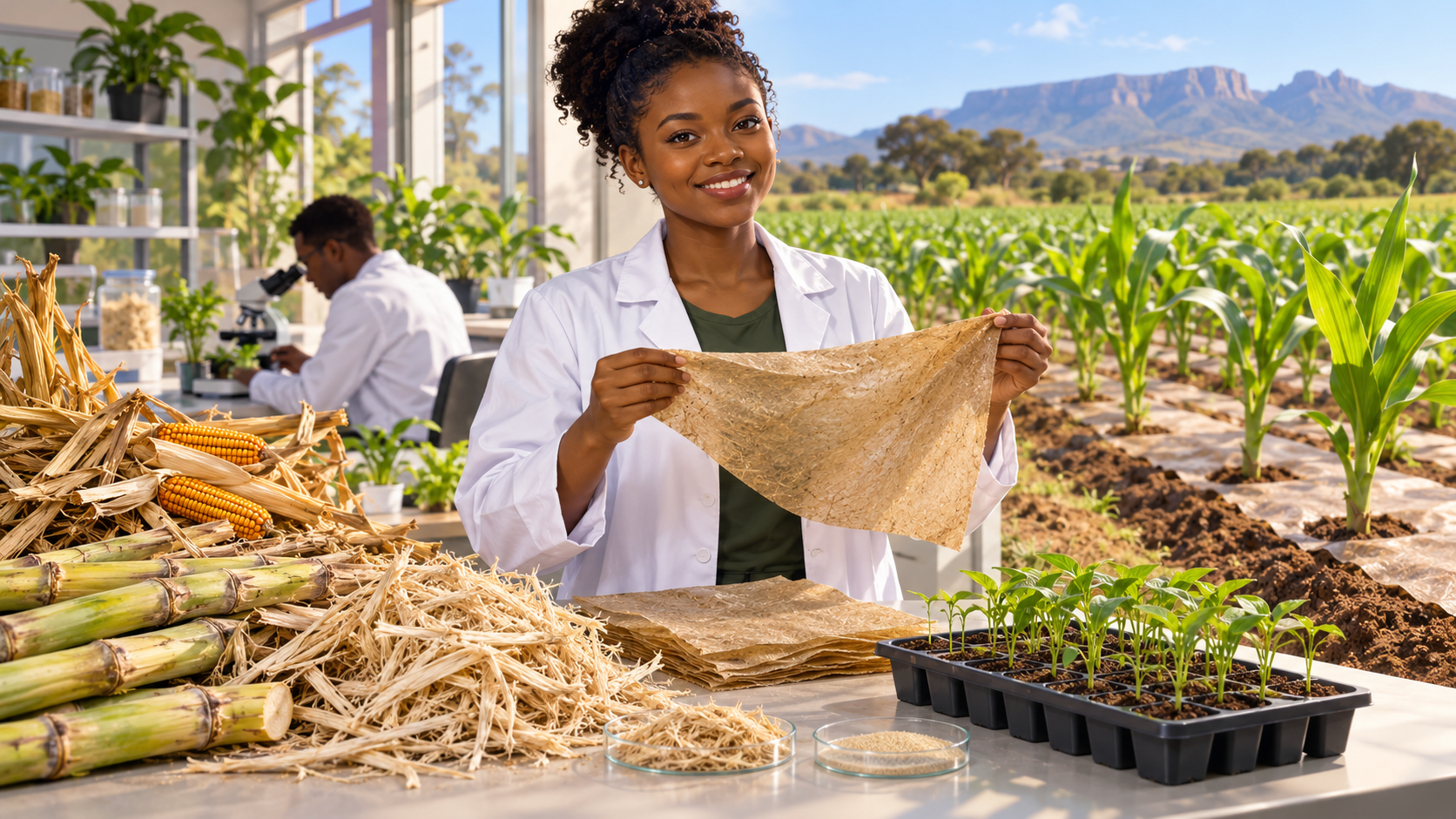
    A young South African researcher has developed an innovative biodegradable material made from agricultural waste, offering farmers a more environmentally friendly alternative to conventional plastic.

    Onndinadaho Rasilwela, a chemical-engineering researcher at Tshwane University of Technology, created the product using materials including sugarcane bagasse and maize stalks that might otherwise be discarded.

    Known as “Biomulchies,” the material is designed for use as agricultural mulch. Farmers use mulch to control weeds, retain moisture and regulate soil temperature around their crops.

    Unlike conventional plastic mulch, which can remain in farmland and contribute to long-term pollution, Biomulchies is designed to break down naturally in the soil after use.

    Rasilwela’s innovation won first prize at the 2026 Green Youth Indaba in South Africa. She received R150,000 to support the project and help move the idea closer to wider use.

    Her achievement demonstrates how young African innovators can transform agricultural waste into useful products while supporting farmers, protecting soil and creating opportunities within the green economy.

    Source: Tshwane University of Technology https://www.tut.ac.za/newsroom/all-news/2026/tut-student-innovator-turns-agricultural-waste-into-award-winning-biomulchies.php

  • Nigeria: Solar-Powered Food Factory Supports Women and Farmers

    Nigeria: Solar-Powered Food Factory Supports Women and Farmers

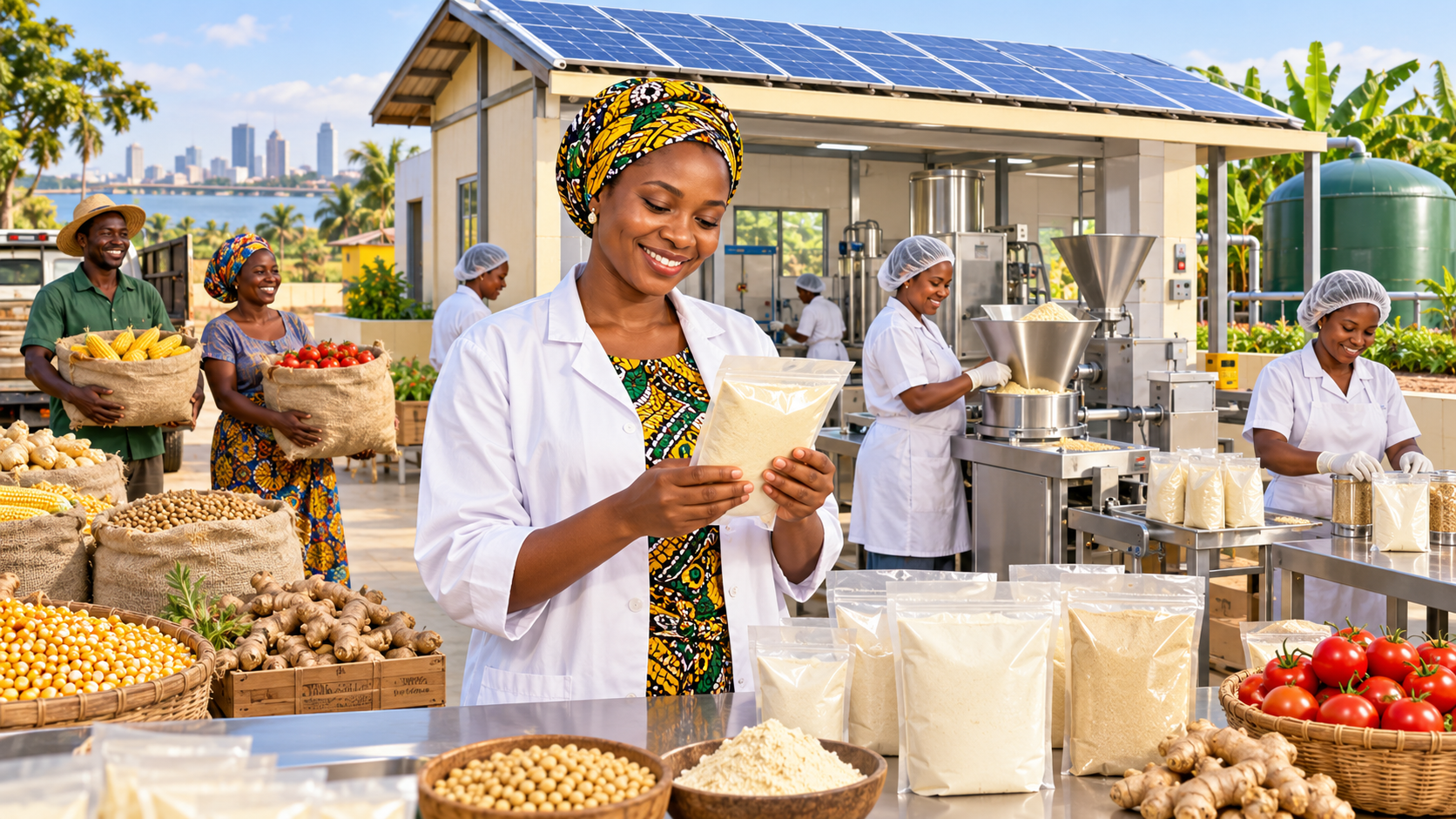
    In Lagos, Nigeria, entrepreneur Blessing Unoka is showing how clean energy can strengthen food production, create jobs and support local farmers.

    Her company, Sambal Enterprise, operates a solar-powered food-processing centre that does not rely on diesel generators or grid electricity. It processes soybeans, maize, ginger and tomatoes into products including soya milk powder, plantain flour and maize flour.

    The business currently employs 50 women and purchases crops from more than 200 smallholder farmers. This provides farmers with a reliable market while creating employment opportunities for women working in food processing and distribution.

    Sambal Enterprise also uses a biodigester to transform organic waste from its operations into cooking energy and fertiliser. This circular system reduces waste and helps the business avoid approximately 15 tonnes of carbon emissions each year.

    In August 2026, the company won first place at the AfroHackathon clean-energy innovation challenge in Accra, Ghana. The award recognised its practical combination of renewable energy, food production and community impact.

    Blessing Unoka’s achievement demonstrates how African entrepreneurs can build profitable businesses while supporting farmers, creating jobs and protecting the environment.

    Source: Energy News Network https://energy-news-network.com/industry-news/afrohackathon-winner-blessing-unoka-sambal/

  • A Nigerian Girl Opens the Door to Technology

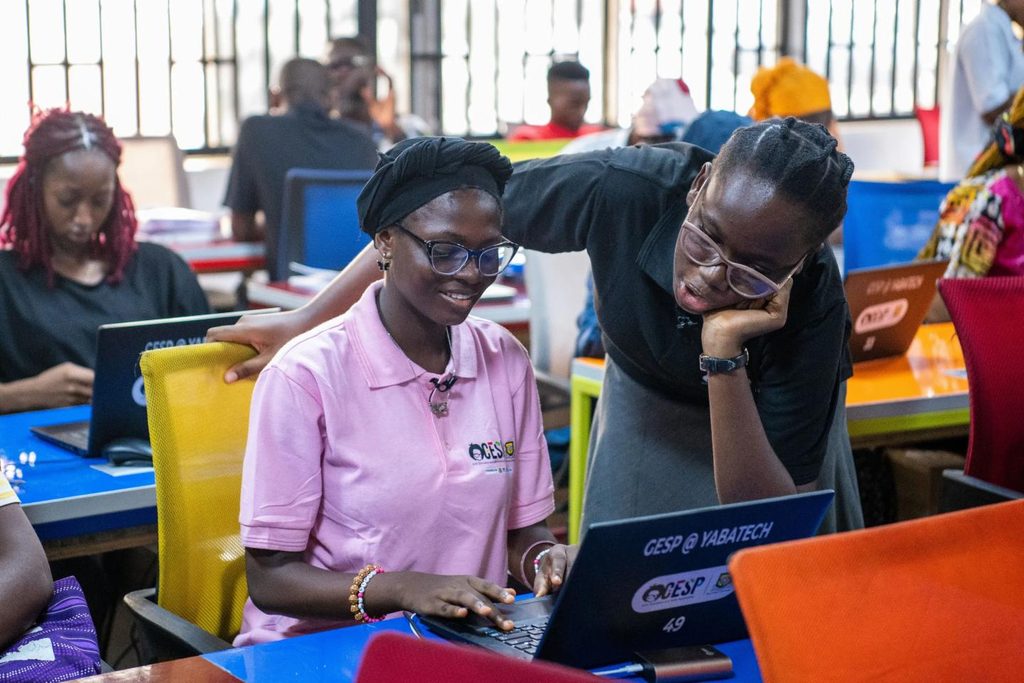
    Obafoshun is a young Nigerian girl who dreamed of working in technology, even though she studied arts at school. Some people told her that technology was not for girls with her background—but she refused to let those opinions limit her future.

    Through the Girls’ Education Skills Partnership, Obafoshun joined the All Girls’ Tech Hub at Yaba College of Technology in Lagos. There, she gained practical digital skills, including assembling laptops and repairing mobile phones.

    The programme offered more than technical training. Obafoshun met women working in technology, found mentors who believed in her potential and became more confident that she belonged in the industry.

    Her journey demonstrates what can happen when girls receive the right training, encouragement and opportunities. By helping more young African women develop digital skills, programmes like this can open doors to employment, entrepreneurship and a brighter future.

    Obafoshun’s achievement is not only a personal success—it is an inspiring example for other African girls who dream of building careers in science and technology.

    Source: UNICEF – Opening Doors to Opportunity https://www.unicef.org/blog/opening-doors-opportunity