Author: myhappyafrica

  • A taste of Senegal, a tradition worth sharing.

    A taste of Senegal, a tradition worth sharing.

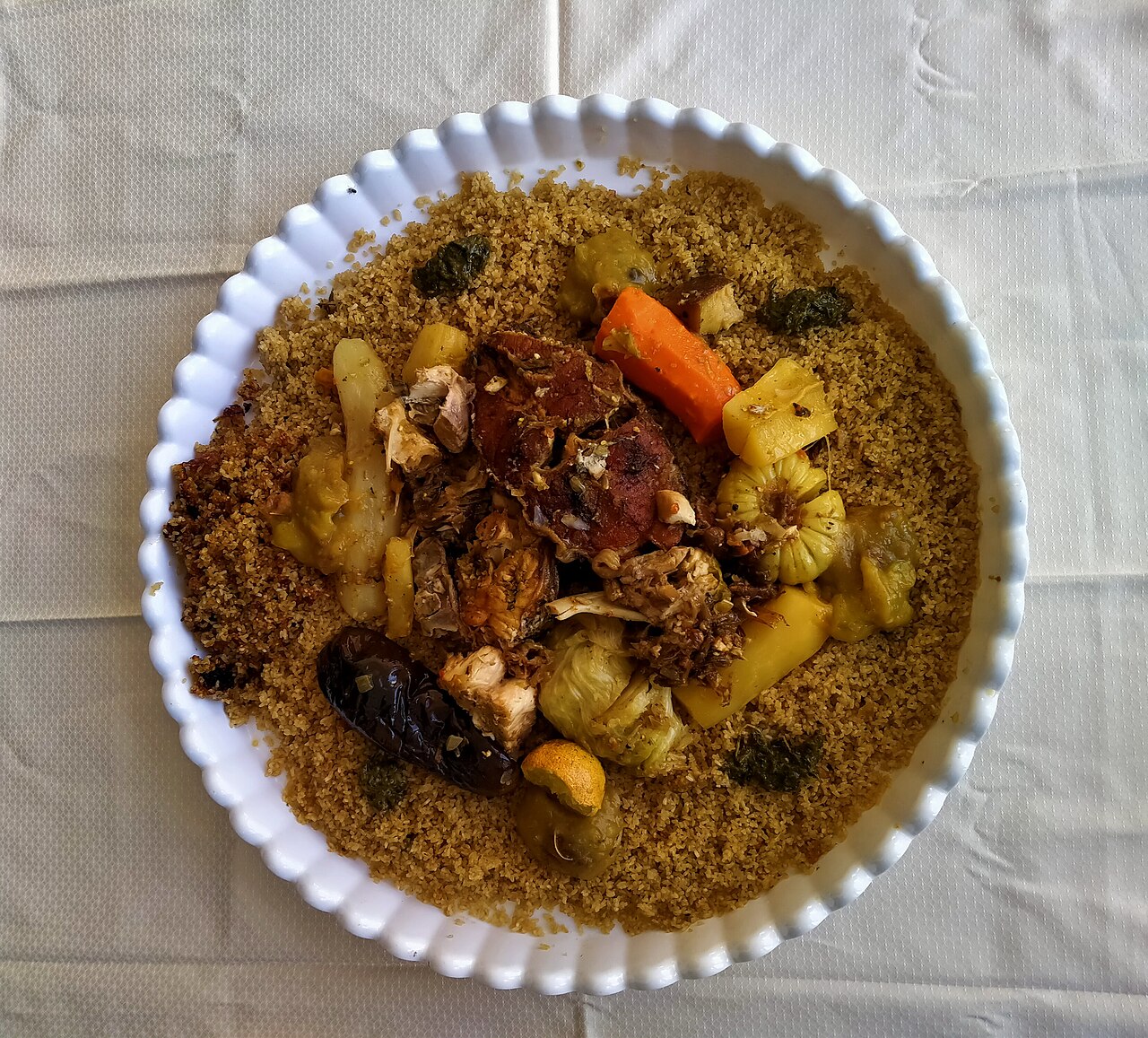
    Photo: Salma03regine / Wikimedia Commons, CC BY-SA 4.0.

    A shared meal can carry a country’s history. In Senegal, ceebu jën—also known as thiéboudienne—brings together rice, fish and vegetables, along with knowledge passed from one generation to the next.

    Originating in the fishing communities of Saint-Louis, its recipes and preparation techniques have traditionally travelled from mother to daughter. Each generation inherits skills that reach beyond the cooking pot: choosing ingredients, preparing the meal and welcoming others around it.

    Keeping a living tradition alive

    In 2021, UNESCO recognised ceebu jën as part of humanity’s intangible cultural heritage. That recognition celebrates the people and practices surrounding the dish.

    The work continues. In February 2026, a research mission in Saint-Louis documented how communities preserve and transmit this culinary tradition. A workshop in Dakar followed in March, bringing together community representatives and heritage professionals to exchange experience.

    UNESCO reported on these efforts in August 2026, highlighting the importance of women, local knowledge and passing culinary skills to future generations.

    A taste of belonging

    For MyHappyAfrica, this is a story of everyday creativity: people keeping their heritage alive through something familiar, useful and shared.

    Ceebu jën offers an invitation to discover Senegal through its food—and the people whose knowledge gives it meaning .

    Source: UNESCO, August 2026.
  • Namibia’s red dunes: beauty with a human story

    Namibia’s red dunes: beauty with a human story

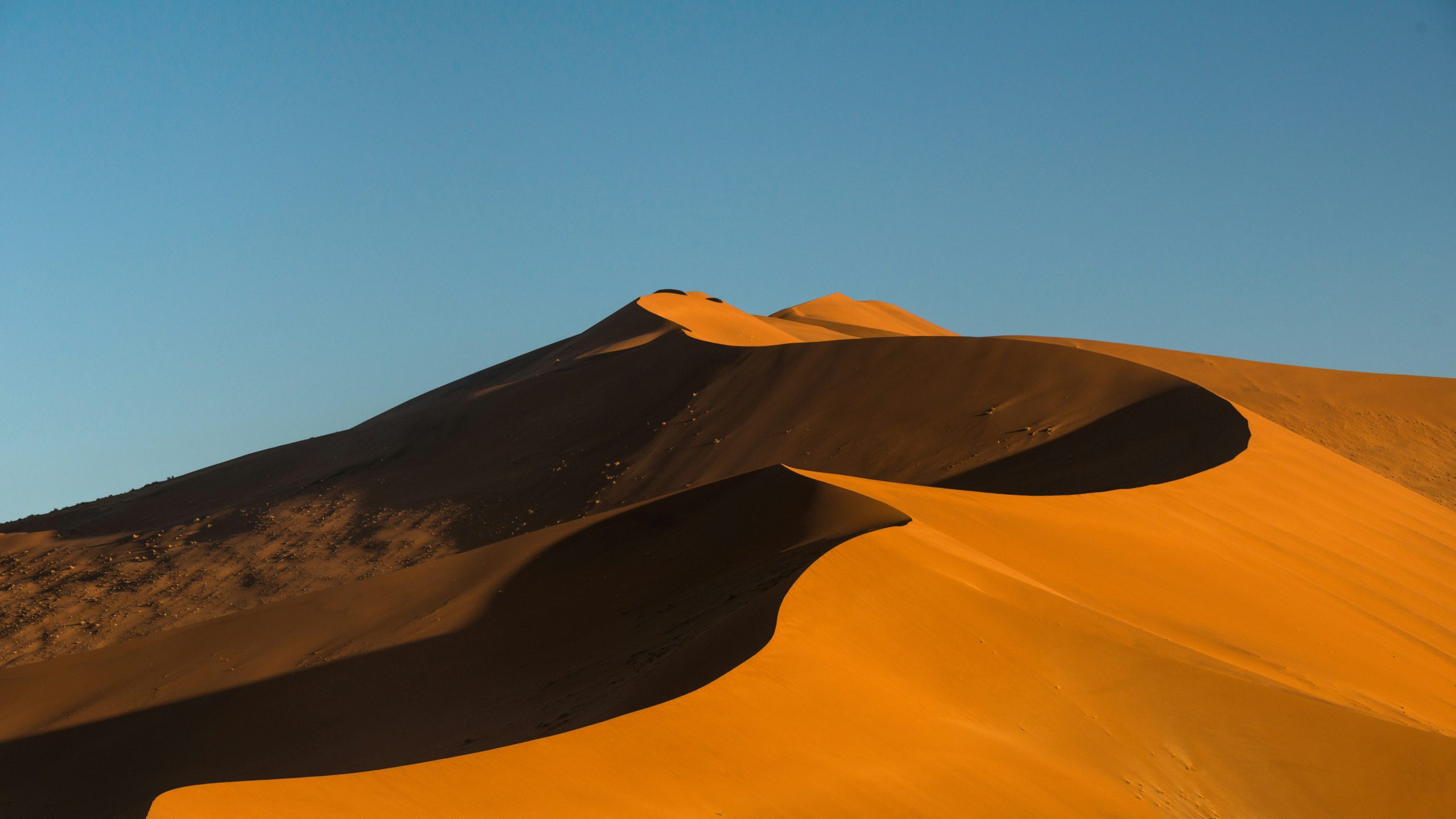
    Photo: Andrew Svk / Unsplash

    Imagine standing before the red dunes of Sossusvlei: sweeping curves of sand, open sky and a landscape that invites you to slow down. Namibia’s beauty is reason enough to visit. Yet some of its most rewarding discoveries lie beyond the view itself.

    Sossusvlei lies within the Namib Sand Sea, a UNESCO World Heritage Site since 2013, protected within Namib-Naukluft Park. Here, fog supplies vital moisture to wildlife adapted to life among shifting dunes. Even in this harsh environment, life finds a way.

    The human story unfolds in the wider region. At a November 2025 heritage gathering involving Maltahöhe, Aus and Utuseb, women brought traditional crafts and elders shared memories, according to UNESCO.

    Residents proposed storytelling walks, guiding and craft businesses. UNESCO described the approach as “placing local voices, particularly those of women and youth, at the centre of livelihood development.”

    These were early proposals, with later results still to be verified. Yet the possibility is compelling: visitors could discover the region through the skills and stories of its people.

    The red dunes of Namibia draw visitors with their beauty. The stories, traditions and aspirations of the people who live in the wider region may leave the deepest impression of all.

    Sources: UNESCO — Namib Sand Sea. Community heritage initiative


  • African stories find a new stage in London

    African stories find a new stage in London

    Image: AI illustration of African creativity in London; not a photograph of the festival.

    This October, African stories are preparing to take centre stage in London. A new festival aims to bring literature, film, music and art together, connecting Africa’s cultural heritage with audiences across the diaspora and beyond.

    The African Heritage Festival London will hold its main programme from 8 to 11 October 2026 at Mountview and the CLF Art Lounge in Peckham.

    The inaugural festival will celebrate the literary legacy of Nigerian writer D. O. Fágúnwà, bringing literature, cinema, music and visual art into a shared celebration of African creativity.

    The organisers want to bring together writers, filmmakers, artists, families and young people. The programme includes music, conversation and a creative presentation inspired by Yoruba wedding traditions.

    For Africans living abroad, events like this can offer a connection with cultural roots. For other visitors, they can open a door to stories and traditions they have yet to discover.

    For MyHappyAfrica, this is a hopeful cultural story: people creating space for African voices, sharing their heritage and inviting a new generation to take part. The festival is still ahead, but its ambition is clear—to help these stories reach more people.

    Source: African Heritage Festival London — official programme.

  • Letsile Tebogo: A historic gold, and a story still unfolding

    Quejaytee/Wikimedia Commons — CC BY-SA 4.0.

    When Letsile Tebogo won Olympic gold in Paris, his thoughts turned to someone who could no longer be there to celebrate with him.

    His mother had died in May 2024, just months before the Games. After winning the men’s 200 metres that August, he dedicated his victory to her. At the moment the world was celebrating the young sprinter from Botswana, he was remembering the woman who had been part of his journey.

    At 21, Tebogo had achieved something no athlete from his country had done before: winning an Olympic gold medal. He also became the first African man to win the Olympic 200-metre title. Botswana now had an Olympic champion—and African sprinting had a new milestone.

    Yet a historic victory does not finish an athlete’s story. There are more training sessions, more expectations and more races where success has to be earned again.

    Two years later, Tebogo is still adding chapters.

    On 21 August 2026, he won the 200 metres at the Lausanne Diamond League in Switzerland in 19.87 seconds. Afterwards, he spoke about the challenge of maintaining his level throughout the season and the five weeks he had spent working hard in the gym. He also explained the importance of enjoying his races and looking after his mental health.

    Those reflections bring us closer to the person behind the performances. Even an Olympic champion has to find his rhythm, prepare carefully and manage the demands of competition.

    On 13 September, Tebogo earned another podium finish at the World Athletics Ultimate Championship in Budapest. He finished second in the 200 metres, running 19.76 seconds—his fastest time of the 2026 season. A victory in Lausanne had been followed by another strong performance against some of the world’s best sprinters.

    You do not have to follow athletics to find something meaningful in this journey. Remembering someone you love, working towards a goal and finding the strength to keep going are experiences that reach far beyond a running track.

    For young people watching from Botswana and across Africa, Tebogo’s achievements offer a powerful example of possibility. His Olympic gold is already part of history. What makes his story worth following now is the effort he continues to put into what comes next.

    Sources: Reuters (8 August 2024 and 21 August 2026); World Athletics (Budapest 2026 results).

  • How a shea-processing business is creating opportunities for women in Mali

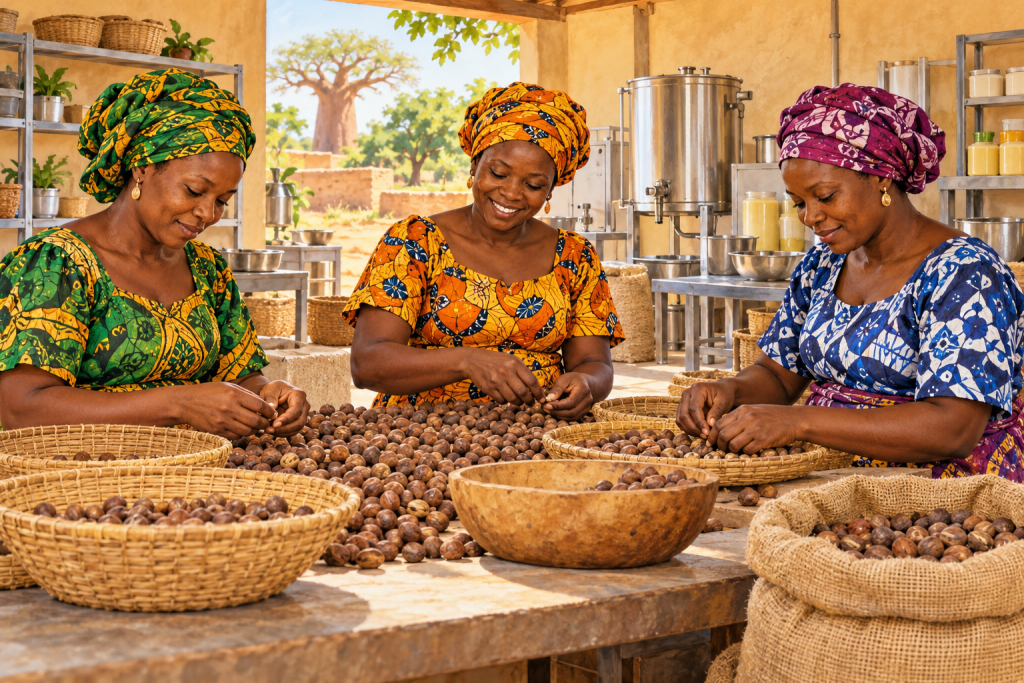
    AI-generated illustration of shea processing. It does not depict Mali Shi’s staff or factory.

    In Mali, Kancou Keita Cissé helped build Mali Shi, a business that processes locally collected shea nuts. Its factory opened in 2020, creating a way to add value to a local resource while supporting jobs and women’s cooperatives.

    In an interview published by Investisseurs & Partenaires in July 2025, Kancou reported that Mali Shi employed 97 permanent staff and around 30 day workers. The company also worked with 12,000 women collecting shea nuts, organized into cooperatives across the Kayes, Koulikoro, Ségou and Sikasso regions.

    According to the same interview, Mali Shi supported these cooperatives through formal purchasing contracts, training in collection and management, and equipment such as transport tricycles and storage facilities. These practical steps helped women organize their work and secure a more reliable buyer for their shea nuts.

    The business also found uses for the material left after processing. Kancou explained that shea cake could be used in animal feed, organic fertilizer and fuel briquettes—creating useful products from what remained of the nuts.

    Mali Shi’s story shows how processing local resources can create opportunities beyond the factory itself. By connecting industry with women’s cooperatives, the business offers an example of entrepreneurship that supports both jobs and rural livelihoods.

    MyHappyAfrica — Real people, Real progress, Real Africa.

    Source: Investisseurs & Partenaires, interview with Kancou Keita Cissé, 7 July 2025. Figures reported in 2025.

    https://www.ietp.com/en/node/4580

  • How an 11-year-old helped make her school greener in Mali

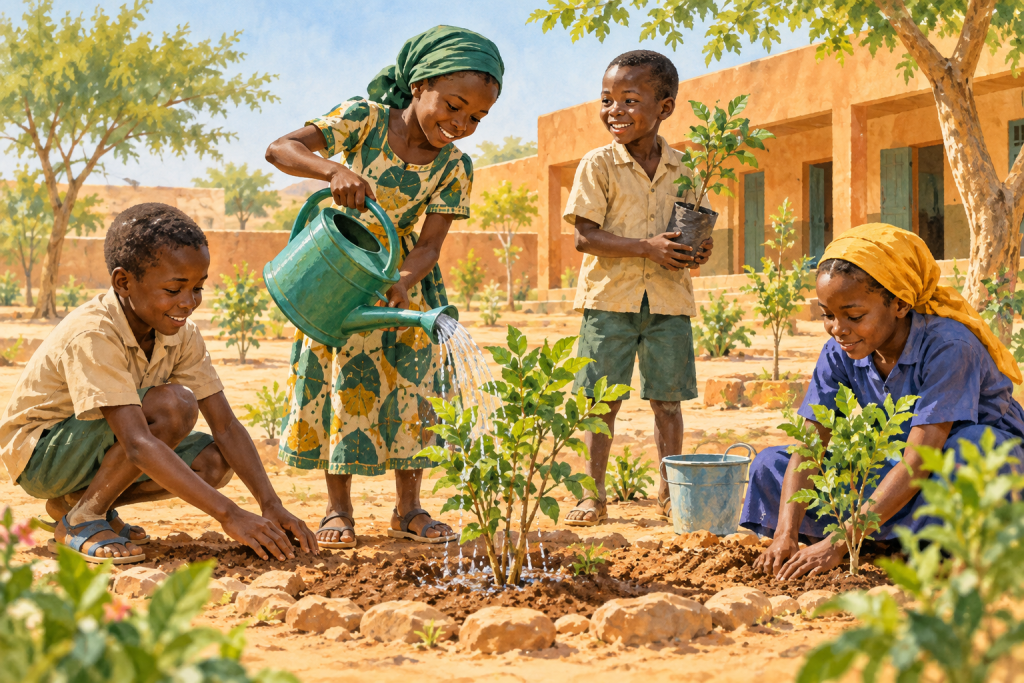
    AI-generated illustration of a school garden. This does not depict Halimatou or her classmates.

    At Kabara primary school, near Timbuktu, Halimatou, 11, helped bring a garden to life.

    As president of the school’s ECO club, she gathered 15 classmates. Supported by teachers and young volunteers, they cleared waste, prepared the ground and planted their first 20 shrubs.

    The pupils shared the watering and protected the young plants. Their garden became a space for shade, teamwork and learning.

    A small project with a meaningful result—and a reminder of what children can achieve together.

    MyHappyAfrica — Real people, Real progress, Real Africa.

    Source: UNICEF Mali, “My school, my responsibility: How 11-year-old Halimatou championed a green revolution”, 16 February 2026.

    Read the original UNICEF story

    Lire l’article original de l’UNICEF

  • How a Cameroonian Company Is Using Drones and AI to Fight Waste and Flooding

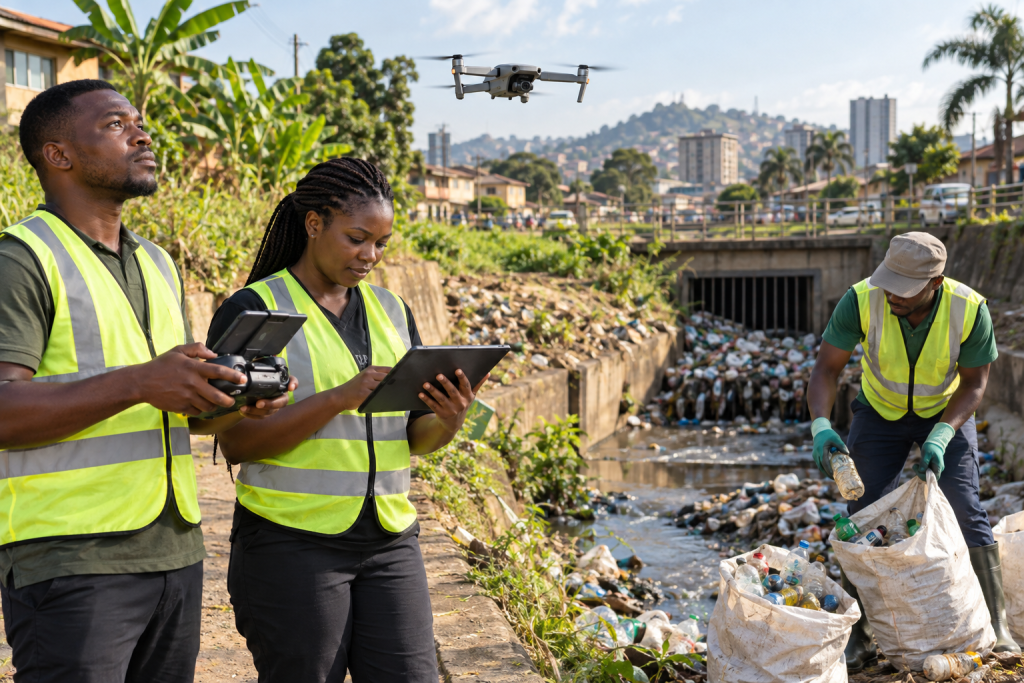
    In many African cities, plastic waste is more than an environmental problem. When rubbish blocks drains, heavy rainfall can quickly turn into dangerous flooding.

    In Cameroon, BleagLee Waste Management is tackling this challenge with technology. The company uses drones to identify waste hotspots and AI-powered analysis to improve collection planning. This helps teams locate rubbish before it builds up in drains and other high-risk areas.

    The company’s progress shows that waste collection can also become a climate-resilience service. With support from the YouthADAPT programme, BleagLee financed a processing plant, added two collection trucks and trained 200 additional waste pickers.

    According to the African Development Bank, the company expanded its workforce from 31 to 124 people. Its revenue increased by 181%, while the amount of waste it recycled tripled.

    BleagLee has also attracted major support for its work, including US$50,000 from the ClimaTech Run competition, a US$400,000 World Food Programme grant for a project in Dakar, and a US$1 million Milken–Motsepe Prize.

    Its technology is now being used in Dakar to map plastic-waste hotspots and improve collection routes. This demonstrates how a solution developed in Cameroon can be adapted to help other African cities.

    BleagLee’s story is important because it connects three urgent needs: cleaner communities, protection from flooding and employment. It shows that African innovation does not always begin with creating something completely new. Sometimes it begins by using existing technology intelligently to solve a real local problem.

    Real people, Real progress, Real Africa.

    Source: African Development Bank — “From plastic-choked drains to flood-proof cities: BleagLee’s waste-to-resilience transformation in Cameroon.”

    Image: AI-generated illustration by MyHappyAfrica.

  • Uganda’s First Deaf-Led Tourism Company Wins International Recognition

    Travel should be open to everyone. In Uganda, two Deaf entrepreneurs are helping make that possible by transforming the safari experience for Deaf travellers.

    Denis Ssebayiga and Simone Pabsch co-founded SS Sign Language Tourism in Kampala in late 2024. The company received its official Ugandan tour-operator licence in October 2025 and is recognised as Uganda’s first Deaf-led sign-language tourism company.

    Safaris without communication barriers

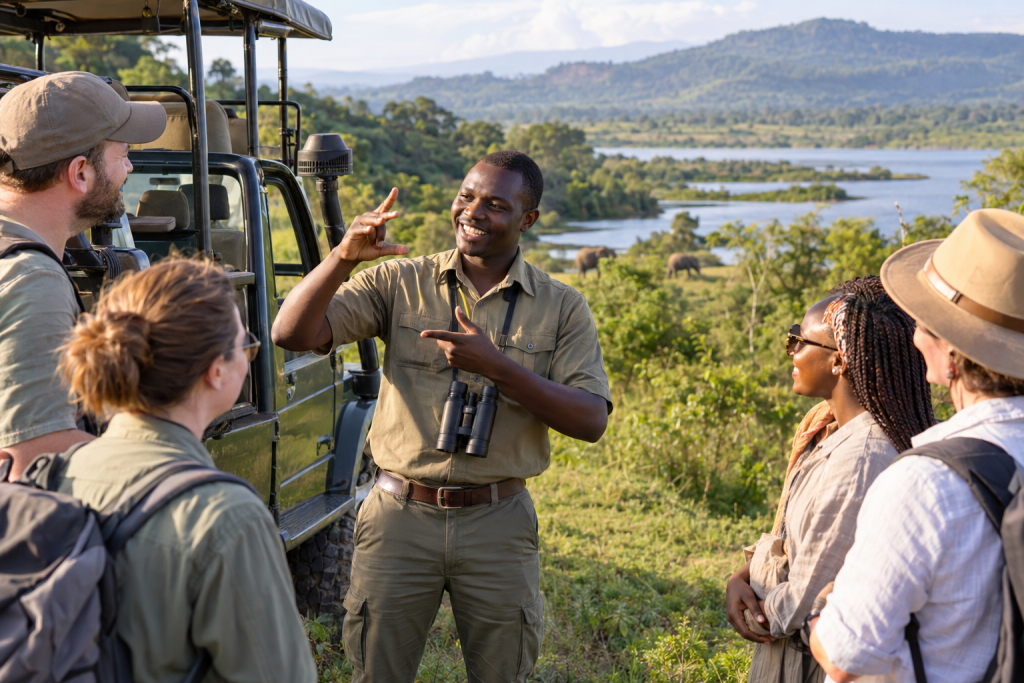
    The company provides wildlife and cultural experiences guided in Ugandan Sign Language and International Sign.

    Its Deaf professional guides lead visitors on gorilla treks in Bwindi Impenetrable National Park, chimpanzee tours in Kibale Forest and wildlife safaris across Uganda’s national parks.

    The experiences are designed for both Deaf and hearing travellers. Guests do not need previous knowledge of sign language, allowing people with different backgrounds to experience Uganda together.

    From Uganda to the world

    Although the company is still young, it has already welcomed travellers from Uganda, Kenya, Germany, France and the United States.

    On 22 September 2026, Condé Nast Traveler selected SS Sign Language Tourism as one of its 25 “Bright Ideas in Travel” winners. More than 200 projects from around the world were considered.

    The publication described the company as East Africa’s first safari operator designed by and for Deaf travellers.

    Creating opportunities through tourism

    The founders now hope to train more Deaf guides, acquire a second safari vehicle and expand their accessible tours into Kenya, Tanzania and Rwanda.

    Their work shows how inclusion can also create business opportunities. Deaf travellers gain access to meaningful wildlife experiences, while Deaf professionals can develop careers in tourism and conservation.

    SS Sign Language Tourism is not simply organising holidays. It is removing communication barriers, creating employment opportunities and presenting East Africa’s wildlife and culture to visitors from around the world.

    Real People. Real Progress. Real Africa.

    Sources: SS Sign Language Tourism and Condé Nast Traveler, 22 September 2026.

    https://www.ss-signlanguagetourism.com

    https://www.cntraveler.com/story/bright-ideas-in-travel-2026

  • Davido Brings a Major Afrobeats Residency Home to Lagos

    Davido Brings a Major Afrobeats Residency Home to Lagos

    Nigerian Afrobeats star Davido is bringing a major music celebration home.

    From 17 to 19 December 2026, he will perform for three nights at the renovated National Theatre in Lagos. Titled Oriadé: The Residency, the event will celebrate his latest album and his 15-year musical journey.

    The residency is more than a series of concerts. Davido wants to demonstrate that African artists can produce world-class entertainment experiences on the continent, using African venues, creative talent and local businesses.

    The performances are also expected to attract music fans and visitors to Lagos during the busy December season—supporting jobs, tourism and Nigeria’s growing creative economy.

    After taking Afrobeats around the world, Davido is returning to the audience and city that helped shape his career.

    This is not simply Davido coming home to perform. It is a statement that Africa does not have to export all its greatest moments for the world to value them.

    For three nights, Lagos will not just host an Afrobeats concert—it will stand at the centre of global African culture.

    And perhaps this is only the beginning: a future where the world no longer watches Africa’s biggest moments from somewhere else, but travels to Africa to experience them.

    Real People. Real Progress. Real Africa.

    Sources: CNN; Davido’s official announcement; TheCable Lifestyle.

  • Africa Foto Fair Helps African Photographers Tell Their Own Stories

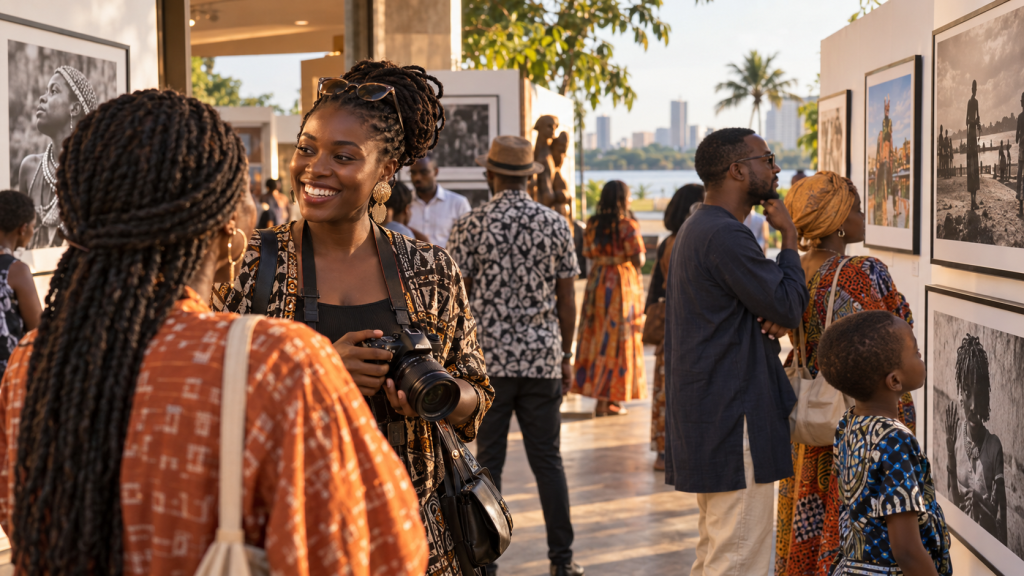
    Photography is more than taking beautiful pictures. It allows people to preserve memories, document everyday life and tell their communities’ stories in their own way.

    In Côte d’Ivoire, Africa Foto Fair is creating a bigger stage for photographers from Africa and beyond. Founded by Ethiopian photographer Aïda Muluneh, the festival brings exhibitions, education and public activities to local audiences.

    A stage for African perspectives

    The fair helps African photographers present their own experiences instead of allowing the continent to be seen mainly through outside perspectives.

    Its 2024 edition in Abobo, Abidjan, welcomed 67 photographers from 31 countries. According to The Guardian, attendance reached 11,810 people—an increase of 47% compared with the previous edition.

    The programme extended beyond exhibitions. It included photography workshops for children, portfolio reviews for emerging artists, literacy activities and community health screenings.

    Taking art closer to the community

    In 2025, the fourth Africa Foto Fair expanded to Grand-Bassam, a UNESCO World Heritage city in Côte d’Ivoire.

    The programme featured more than 70 artists, alongside lectures, workshops, film screenings and activities for young people. Emerging Ivorian photographers were also given space to exhibit their work alongside established international artists.

    By holding activities in accessible public and cultural spaces, the fair helps people encounter photography who may not regularly visit traditional galleries.

    Building skills and opportunities

    Africa Foto Fair is not only celebrating finished photographs. It is helping young creatives learn, meet experienced professionals and understand how artistic talent can develop into a career.

    Portfolio reviews and workshops give emerging photographers practical guidance. Exhibitions allow them to reach new audiences, while collaboration with other artists can lead to future opportunities.

    The fair also strengthens Côte d’Ivoire’s growing reputation as a centre for African art and creativity.

    Africans telling African stories

    The most important part of the initiative is ownership. African photographers are documenting their own families, neighbourhoods, cultures and changing societies.

    Their pictures show that Africa is not one single story. It is a continent filled with different experiences, identities and creative voices.

    By helping photographers control how their communities are represented, Africa Foto Fair is building confidence as well as artistic opportunity.

    That is real progress: Africans using creativity to tell their own stories and allowing the world to see the continent through their eyes.

    Real People. Real Progress. Real Africa.

    Sources: The Guardian, 17 December 2024; PhotoVogue, 28 November 2025.