
Category: Positive African Stories

  • From Lagos to London: A New Home for African Stories

    From Lagos to London: A New Home for African Stories

    Photo: Danielle G. Campbell / WikiPortraits, via Wikimedia Commons. CC BY-SA 4.0. Cropped. Mo Abudu at TIFF 2025.

    A film can take us into another person’s world. A meal can bring back memories of home. A piece of clothing can introduce us to a designer we might otherwise never discover.

    Nigerian media entrepreneur and producer Mo Abudu is bringing those experiences together at EbonyLife Place London, which officially opened on 8 October 2026.

    The new venue carries a connection to Lagos, where she opened the original EbonyLife Place in 2019. Its London chapter gives that idea another address: a place where African creativity can meet audiences beyond the continent.

    Making room for our stories

    Speaking to AFP about the project, Abudu explained her motivation in a few words: “It’s time to tell our own stories.”

    Born in London, she recalled having few opportunities to watch Black films during her youth. Her response has been to help build the kind of cultural space she wanted to see.

    At the centre of the venue is a cinema dedicated to African and Black storytelling. Its ambition reaches beyond one country, with space for films from across Africa and the diaspora.

    More than a cinema

    The wider venue brings together food, fashion and art, allowing visitors to encounter different forms of creativity during the same visit.

    For a filmmaker or designer, places like this could help an unfamiliar audience discover their work. For someone with African roots, they could offer a connection to home. For other visitors, they could be an invitation to explore.

    Those possibilities explain why this opening matters. Creating work is one part of the journey; helping it reach people is another.

    A beginning worth following

    It is still early. The venue’s lasting contribution will depend on its programme, the creators it supports and the audiences who return.

    But the opening is already a concrete achievement: an entrepreneur has taken an idea developed in Lagos and given it a new home in London.

    For MyHappyAfrica, that is a story worth sharing—and following as its next chapter unfolds.

    Sources: EbonyLife Place London⁠ · Screen Daily⁠.

    AFP / Channels Television

  • South African Student Puts AI to the Test in Search for Greener Crop Boosters

    South African Student Puts AI to the Test in Search for Greener Crop Boosters

    Photo: WoreczkoJan / Wikimedia Commons — CC BY 4.0.

    For Rudra Patel, a question about an invasive plant became an award-winning school research project: could artificial intelligence help scientists explore its possible use in agriculture?

    The Grade 11 learner at the UJ Academy Maths, Science and ICT School of Specialisation in Gauteng combined machine learning with laboratory experiments to investigate how different concentrations of Lantana camara extract affected wheat growth.

    His work earned him a Gold Medal, the Top Senior Scientist Award in Plant Sciences and the overall 2026 Top Senior Scientist Award, accompanied by a R75,000 prize. The Eskom Expo International Science Fair took place from 29 September to 2 October 2026 in Johannesburg.

    Turning an environmental problem into a research question

    Lantana camara is an invasive plant. Patel’s project explored whether extracts from it could have potential as natural substances that support crop growth.

    Machine learning offered a way to examine patterns in the data. Laboratory experiments brought the question back to living plants and their actual responses.

    Together, these approaches allowed Patel to investigate how computer modelling might complement experimental science in the search for useful applications for invasive plant material.

    His models identified general trends linked to the concentration of the extract. But recognising a pattern is only one step towards establishing whether something could work reliably in agriculture.

    An achievement—and an early research step

    The University of Johannesburg’s account makes the limits clear: further standardised experiments and analysis would be needed before reliable agricultural applications could be established.

    Patel’s project should therefore be understood as an investigation, rather than a finished crop booster ready for farmers. It does not establish that Lantana camara extract will improve crops under farm conditions.

    That does not diminish the achievement. After months of research, experimentation and refinement, a school learner brought together computing and plant science to explore a practical environmental question—and presented his work to judges at an international science fair.

    His story offers encouragement to other young people with questions of their own. Innovation does not always begin with a finished invention. Sometimes it begins with curiosity, careful experiments and the patience to discover what still needs to be understood.

    Written by MyHappyAfrica

    Source: University of Johannesburg.

  • From Schoolyards to Stadium Lights, Liberia Is Widening the Grassroots Game

    From Schoolyards to Stadium Lights, Liberia Is Widening the Grassroots Game

    Illustrative photo: Zainu Color / Unsplash.

    School mini-pitches, organised youth leagues and improved football facilities are creating more places for young Liberians to play.

    Football opportunity often begins with something simple: a safe surface, an organised competition and somewhere young players know they are welcome.

    In Liberia, projects supported by FIFA and implemented with the Liberia Football Association are expanding that foundation. A FIFA progress report published on 17 September 2026 highlighted two school mini-pitches, grassroots leagues for different age groups and improvements to football grounds around the country.

    The mini-pitches were inaugurated in September 2025 through the FIFA Arena programme, at Bible Way Mission School in Montserrado County and EBK Barracks school in Margibi County. FIFA estimated that the facilities could benefit more than 3,000 children. That figure describes their anticipated reach, rather than a confirmed number of participants.

    Alongside these new spaces, young players are gaining more organised opportunities to compete. FIFA reported that the Liberia Football Association introduced a Grassroots Football School League. Association president Mustapha Raji described the establishment of under-12, under-15 and under-17 leagues as a first for the country. He also said boys and girls in rural areas were gaining opportunities to take part.

    Beyond the school grounds, Gompa Stadium in Nimba County has received improvements through FIFA Forward funding. These include a full-size artificial playing surface, floodlights, improved fencing and roofing over spectator areas. According to FIFA, the stadium hosts Liberia Football Association competitions, including grassroots tournaments.

    Liberian publication FrontPageAfrica also reported these developments on 18 September 2026.

    It is still too early to know how many children will participate regularly or what the long-term results will be. But the practical foundations are taking shape: dedicated playing spaces, organised age-group competitions and better facilities for youth and community football.

    For a young Liberian searching for somewhere to begin, those foundations matter. A pitch is an invitation to play, learn, compete and discover what might come next.

    Written by MyHappyAfrica

    Sources: FIFA and FrontPageAfrica.

  • In Malindi, Women Are Building a Stronger Community Together

    In Malindi, Women Are Building a Stronger Community Together

    Photo: Otis 254 / Wikimedia Commons , CC BY-SA 4.0. Malindi Beach, shown for illustration.

    In Malindi, on Kenya’s Indian Ocean coast, Nuru Mohammed was preparing for a different kind of working day.

    A July 2026 report found the fisherwoman helping to prepare a beachside restaurant. Women hung fishing nets as decoration while her daughter cleared away sand. For families facing declining catches, the venture offered hope of another source of income and a more secure future.

    Creating opportunities together

    Across Kenya’s coast, women are exploring new ways to support their families.

    Tourism, mangrove restoration and beekeeping are among the activities being developed. These efforts aim to generate income while caring for the environment that supports coastal life.

    Healthy coastal ecosystems matter to the whole community. Protecting habitats and developing sustainable businesses can help residents preserve both their surroundings and their livelihoods.

    Building a shared future

    Through the ReSea programme, organisations including GROOTS Kenya and the International Union for Conservation of Nature are supporting coastal communities, with particular attention to women and young people.

    Their work brings together ecosystem restoration, practical skills and opportunities to develop local businesses. It connects environmental protection with the everyday needs of people who depend on the coast.

    Community strength in action

    These initiatives are still developing. New businesses need customers, and restoring coastal habitats requires continuing care.

    But the women involved are taking practical steps towards new opportunities, drawing on their knowledge of the places they call home.

    For MyHappyAfrica, this is a story of community determination: people working together, adapting to change and helping shape a more secure future.

    Sources: Associated Press, 6 July 2026; IUCN; GROOTS Kenya.

  • Maputo opens its doors to Africa’s tourism talent

    Maputo opens its doors to Africa’s tourism talent

    Montage: Jgefd and contributing photographers / Wikimedia Commons⁠, CC BY-SA 4.0⁠. Views of Maputo, shown for illustration.


    For a few days in September, Maputo became a meeting place for people whose work is to welcome others.

    Mozambique’s capital hosted the sixth edition of the Pyne Awards Africa at Indy Village, recognising professionals, brands and organisations contributing to tourism and hospitality across the continent.

    For the host city, it was also an opportunity to offer a welcome of its own.

    A CHANCE TO SHARE MAPUTO

    After five editions in Nigeria, the event moved to Mozambique for its 2026 gathering. The programme, scheduled for 24–26 September 2026, included a networking evening, an awards gala and guided visits exploring Maputo’s landmarks and cultural heritage.

    Alongside the celebration, visitors were invited to discover the city beyond the awards venue. Maputo became part of the experience, a place to explore, meet people and learn through its history and culture.

    RECOGNISING THE WORK BEHIND A JOURNEY

    A memorable visit depends on many people. Someone helps organise the trip, someone prepares the food, and someone makes a guest feel welcome. Their work is often part of what travellers remember long after they return home.

    The awards bring attention to talent across this wider industry. They offer a moment to recognise the care, knowledge and dedication that support hospitality across Africa.

    For MyHappyAfrica, that is the heart of this story: African talent receiving recognition, while Maputo shares its own welcome with the continent.

    Sources: Pyne Awards Africa; I Love Maputo.

  • In Egypt, grandmother’s recipes open new doors for Esna’s women

    In Egypt, grandmother’s recipes open new doors for Esna’s women

    Photo: Roland Unger / Wikimedia Commons⁠, CC BY-SA 3.0⁠. Egyptian lentil soup, shown for illustration.

    In Esna, southern Egypt, recipes passed down by mothers and grandmothers are opening a new door. Through Esna Kitchen, local women are sharing their food heritage with visitors while developing skills in hospitality.

    From family tables to welcoming visitors

    The initiative began with a cooking competition in 2023. Thirty-nine women brought traditional recipes, helping uncover knowledge that had often remained inside family homes.

    A group then trained with a professional chef to document ingredients, refine preparation and develop food safety and presentation skills. A heritage house became the project’s home, welcoming visitors from October 2024.

    Keeping more than recipes alive

    According to a September 2026 report in Al-Masry Al-Youm, the project preserves the stories behind the dishes while creating opportunities for women to work in tourism.

    Its ambition is to turn local knowledge into lasting economic value. The report does not provide income figures, but describes a practical approach to connecting culinary heritage with employment.

    For MyHappyAfrica, this is a hopeful story: skills passed between generations finding a wider audience, with the women who carry that knowledge at its heart.

    Source: Al-Masry Al-Youm, 5 September 2026.

  • Mira Mehta: turning Nigerian tomatoes into opportunity

    Mira Mehta: turning Nigerian tomatoes into opportunity

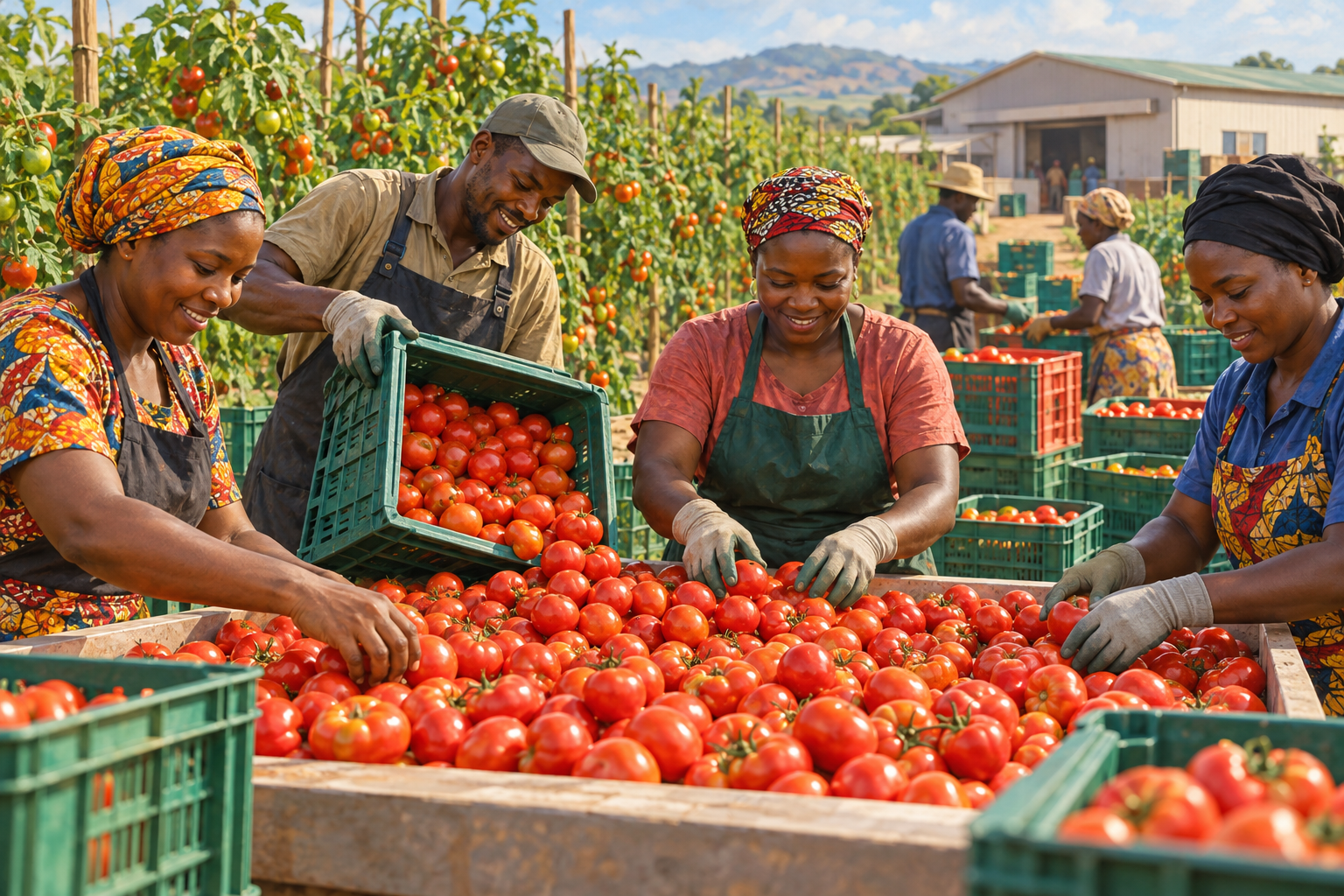
    AI-generated illustration of tomato farming; not a photograph of Tomato Jos, its staff or premises.

    Before Tomato Jos became a food business, it was a question that stayed with Mira Mehta.

    While living and working in Nigeria, she saw tomatoes rotting beside the road. Farmers were growing food, yet some of their harvest was failing to reach a useful market.

    Why couldn’t more of those tomatoes become tomato paste made locally?

    That question eventually became a business. In 2014, Mira and co-founder Shane Kiernan launched Tomato Jos, linking an entrepreneurial idea with an ambition to help smallholder farmers build more profitable livelihoods.

    The journey took patience. The company’s account of its early years describes crop disease and water shortages among the challenges it faced. Growing suitable tomatoes and building a dependable supply chain required more than enthusiasm.

    From its first farming operations in Nasarawa State, the team began putting its idea into practice: support farmers during the growing season, then turn their harvest into a product for Nigerian consumers.

    Today, Tomato Jos operates a farming and processing business in Kaduna State, producing packaged tomato paste for the domestic market.

    Women are an important part of that story. In an investment announcement published by AVCA, Sabou Capital reported that women represented 60% of the company’s smallholder suppliers. Behind the finished product is a network of people whose work begins long before the tomatoes reach the factory.

    A recent development marks another step forward.

    On 22 September 2026, EDFI Management Company announced a $2.5 million AgriFI investment in Tomato Jos. The financing will support packaging equipment, factory upgrades and expanded drip irrigation.

    According to the announcement, more than half of the company’s raw materials come from local smallholder farmers. The planned improvements aim to reduce production costs, broaden its products and deepen its work with farming communities. These are plans for the next stage of growth, rather than results already achieved.

    Mira’s journey shows how an observation can grow into years of practical work. Tomatoes beside a road prompted a question. Building an answer brought together farmers, a processing business and a market for locally made food.

    For MyHappyAfrica, that is a story of progress worth sharing: people finding opportunity in what their communities already produce, and working to make that opportunity last.

    Sources: Tomato Jos; The Harvard Crimson; AVCA/Sabou Capital; EDFI Management Company (22 September 2026).

  • In Nigeria, a better cassava harvest starts with farmers having a say

    In Nigeria, a better cassava harvest starts with farmers having a say

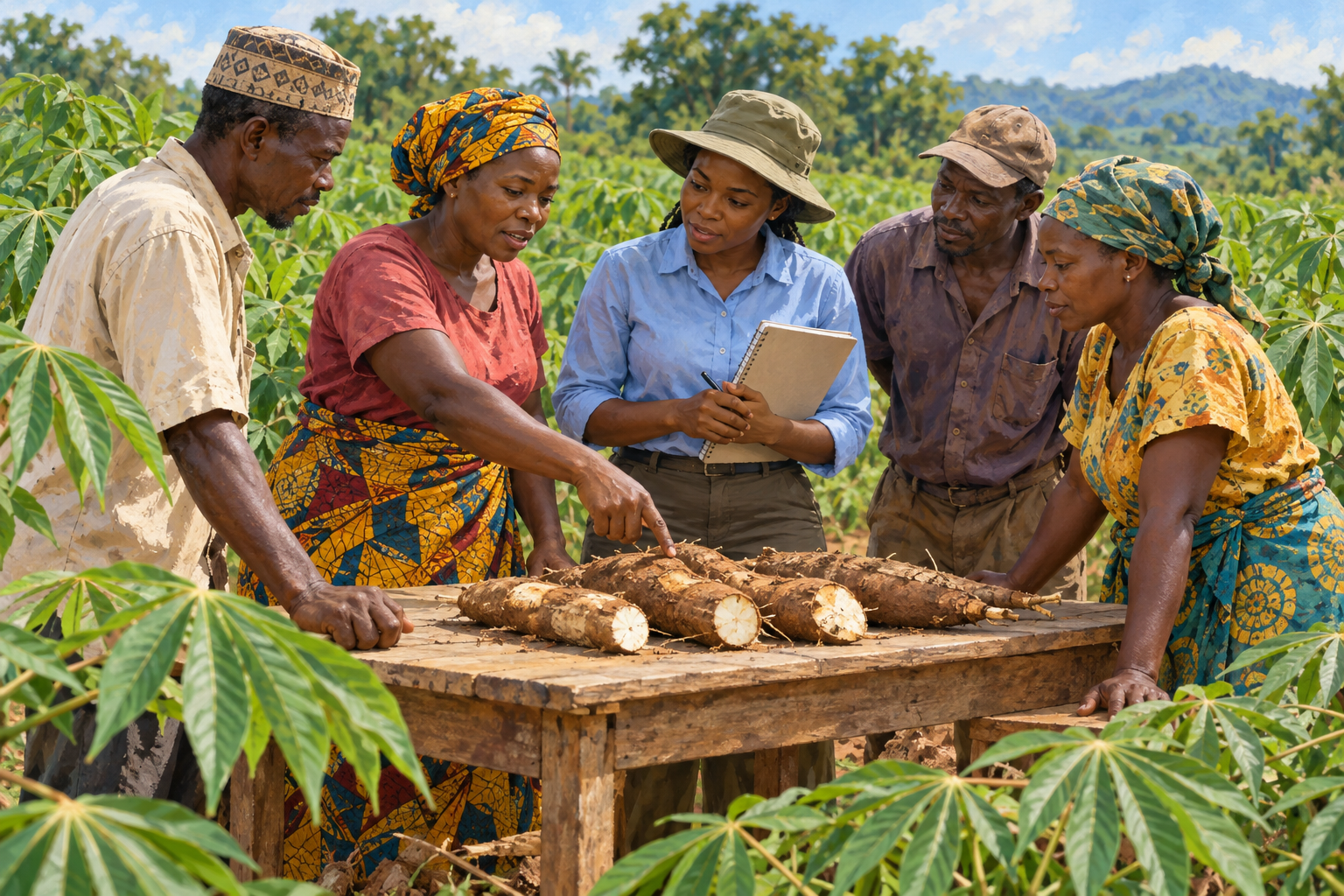
    AI-generated illustration; not a photograph of the Epe trial or its participants.

    At a field day in Epe, Lagos State, farmers gathered to help answer a practical question: which cassava varieties would work best for their farms—and for the people buying their harvest?

    They looked beyond the size of the roots. They considered how well plants stood, the products processors could make from them, and whether the varieties suited their everyday needs.

    IITA reported the trial on 11 September 2026. It involved 92 smallholder farmers and commercial cassava seed entrepreneurs, including 47 women.

    Farmers help choose

    The trial brought together the International Institute of Tropical Agriculture (IITA), Sasakawa Africa and participants in the PROSSIVA project, which works to improve access to cassava planting materials.

    At IFGREEN Industries, participants compared three varieties: Baba 70, Renewed Hope and TME419.

    They examined harvested roots, fresh weight, plant structure and other characteristics. More than 90 per cent preferred Baba 70 and Renewed Hope. Participants also considered these two varieties less likely to fall over in heavy winds.

    For farmers, these details matter. Choosing a variety means thinking about what will grow well, withstand difficult conditions and produce a harvest worth selling.

    The field day gave them a place in that decision, alongside researchers and seed entrepreneurs.

    Connecting farms with markets

    Growing cassava is only one part of the journey. The roots must also meet the needs of processors making foods such as garri, fufu and cassava flour.

    IFGREEN tested the harvested roots for different products. Baba 70 was preferred for garri quality. Renewed Hope produced the greatest quantity of garri and performed well for high-quality cassava flour. TME419 was preferred for its bright white colour.

    There was no single winner for every purpose.

    Instead, the results showed why farmers, seed suppliers and processors benefit from working together. Understanding what buyers need can help guide decisions about which varieties to grow and supply.

    Learning from one another

    For participant Josephine Idowu, the field day offered more than a comparison of plants.

    She described an opportunity to learn about improved varieties and processing, meet people across the cassava industry and build knowledge to support her agricultural business. She hoped to put that learning into practice.

    Her experience reflects the human value of the event: practical information becomes more useful when people also have opportunities to exchange ideas and make connections.

    A hopeful step forward

    This was a trial, rather than proof that participating farmers had already increased their incomes. Wider access to planting materials and sustained adoption remain important next steps.

    But the approach offers a hopeful example of research shaped by the people who will use it.

    In Epe, farmers were helping find answers that could work for both their land and their market.

    Source: IITA, September 2026. https: //blogs.iita.org/farmers-test-cassava-varieties-for-better-markets/

  • Stitching a brighter future beside Rwanda’s Rugezi Marsh

    Stitching a brighter future beside Rwanda’s Rugezi Marsh

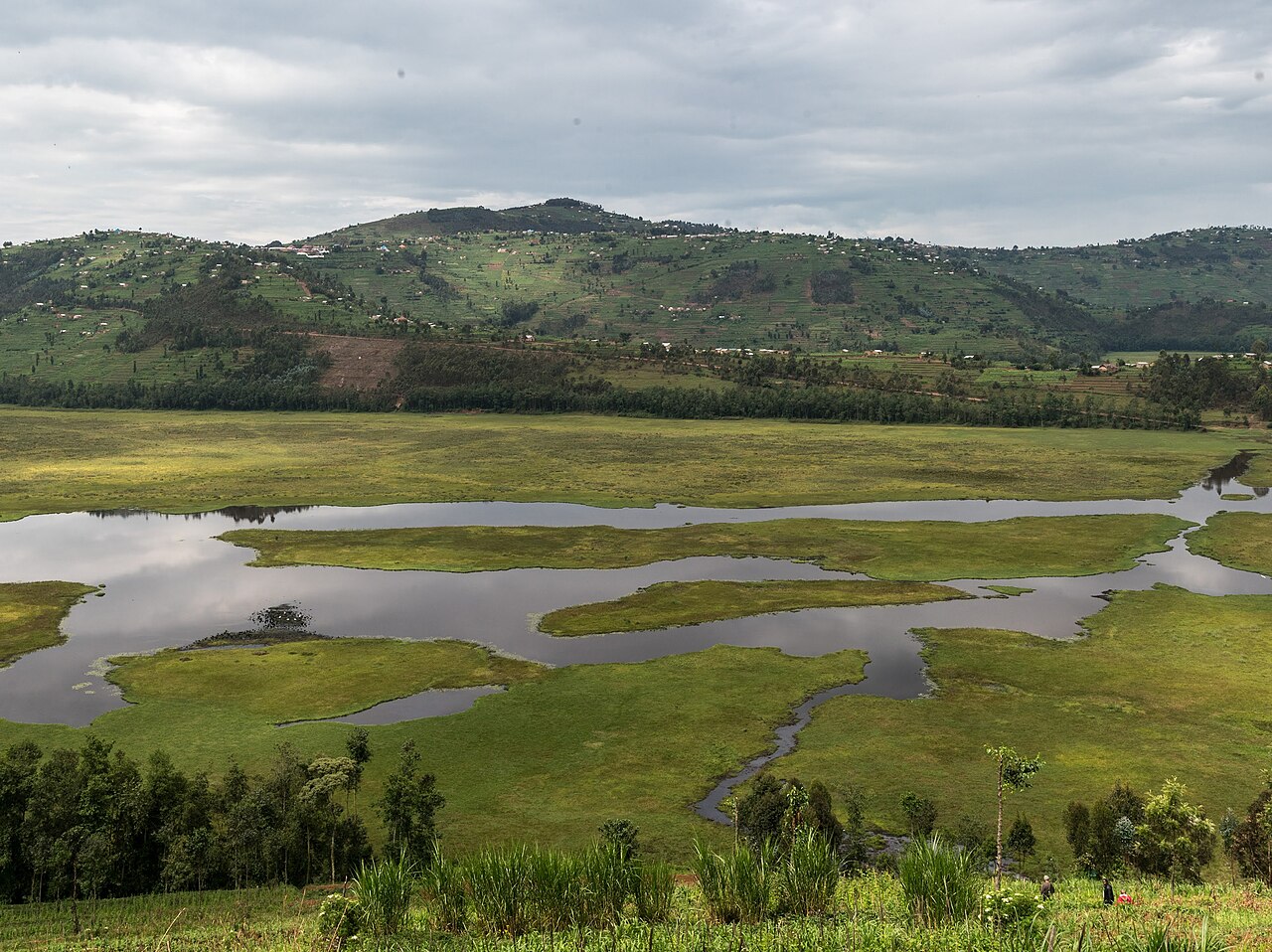
    Near Rwanda’s Rugezi Marsh, a new community centre is opening up possibilities for women who sew, weave and make handicrafts.

    The Rugezi Community Centre, in Miyove Sector of Gicumbi District, gives 45 women in sewing and craft cooperatives a permanent place to work and display their products. Supported by the Rwanda Wildlife Conservation Association, it connects local livelihoods with care for the surrounding wetland.

    A place to create and connect

    The centre also includes a coffee shop where passing travellers can stop, discover the women’s work and buy locally made goods.

    For the cooperatives, having a dedicated workspace and showroom creates opportunities to reach customers and develop their activities. The centre is new, so its longer-term impact is still to come.

    Growing alongside nature

    The idea behind the project is simple: protecting a wetland also means supporting the people who live beside it.

    By creating alternatives through sewing and handicrafts, the initiative aims to help families earn an income while reducing pressure on Rugezi’s natural resources.

    For MyHappyAfrica, this is an encouraging story of community skills finding room to grow. A place to work, a place to sell and a connection with visitors can become the beginning of a new chapter.

    What local skill deserves more support in your community? Tell us in the comments.

    Source: Gicumbi District, 28 September 2026.

    Photo: Rugezi Marsh, photographed in 2021. Bisoke / Wikimedia Commons, CC BY-SA 4.0. Cropped .

  • From Tunisia’s plants to the world: a scientist’s new chapter

    From Tunisia’s plants to the world: a scientist’s new chapter

    In 2019, Ibtihel Ben Hadj Mbarek-Fredj took her research in a new direction. After fifteen years at the University of Monastir, the biotechnology researcher moved into business.

    Herbalya Natural Care grew from her work on Tunisia’s medicinal and aromatic plants. According to the African Development Bank’s July 2026 account, its organic cosmetics had reached France, Canada and the United States.

    Building trust, step by step

    Scientific knowledge was only part of the journey. Competing with imported brands meant earning customers’ confidence. Research partnerships and certification helped Herbalya build credibility, while business support helped its founder develop management skills.

    Opportunity beyond the laboratory

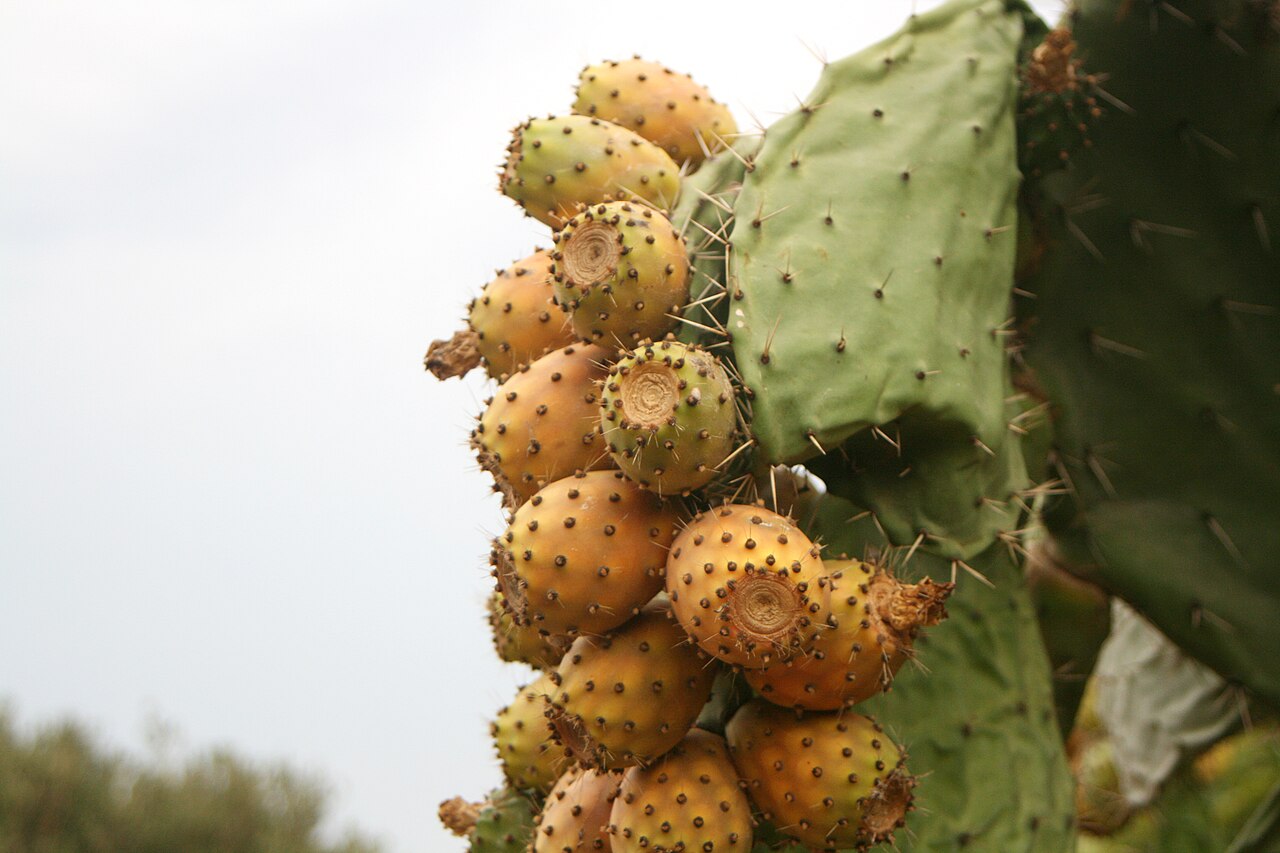
    The company also works with women’s agricultural groups. The reported partnerships involve more than forty women directly and over two hundred people indirectly during the prickly-pear harvesting season. These are people across the supply chain, rather than two hundred permanent factory jobs.

    Herbalya’s next chapter involves seeking support to expand. Its story already offers an encouraging connection between research, local resources and rural livelihoods.

    Her journey began with the plants growing around her. What grows where you live that could inspire someone’s next big idea? Tell us in the comments — we’d love to hear.

    Source: African Development Bank, 3 July 2026.

    Photo: Mohamed Amine Aouina / Wikimedia Commons (CC BY-SA 4.0).