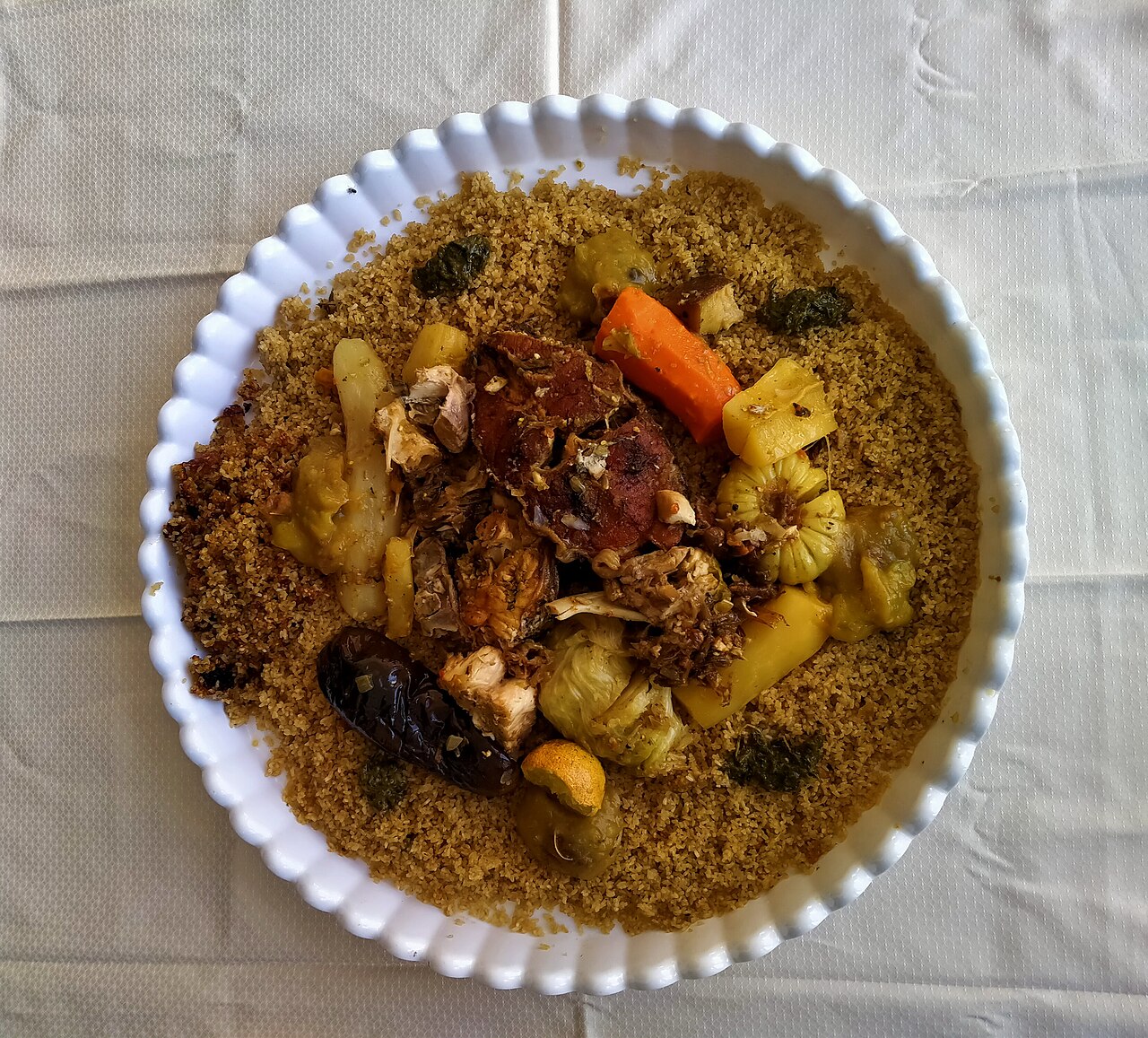
Photo: Salma03regine / Wikimedia Commons, CC BY-SA 4.0.
A shared meal can carry a country’s history. In Senegal, ceebu jën—also known as thiéboudienne—brings together rice, fish and vegetables, along with knowledge passed from one generation to the next.
Originating in the fishing communities of Saint-Louis, its recipes and preparation techniques have traditionally travelled from mother to daughter. Each generation inherits skills that reach beyond the cooking pot: choosing ingredients, preparing the meal and welcoming others around it.
Keeping a living tradition alive
In 2021, UNESCO recognised ceebu jën as part of humanity’s intangible cultural heritage. That recognition celebrates the people and practices surrounding the dish.
The work continues. In February 2026, a research mission in Saint-Louis documented how communities preserve and transmit this culinary tradition. A workshop in Dakar followed in March, bringing together community representatives and heritage professionals to exchange experience.
UNESCO reported on these efforts in August 2026, highlighting the importance of women, local knowledge and passing culinary skills to future generations.
A taste of belonging
For MyHappyAfrica, this is a story of everyday creativity: people keeping their heritage alive through something familiar, useful and shared.
Ceebu jën offers an invitation to discover Senegal through its food—and the people whose knowledge gives it meaning .
Source: UNESCO, August 2026.