Category: Positive African Stories

  • Why We Publish Happy Stories About Africa

    By MyHappyAfrica

    Africa is changing, and a new generation of young Africans is beginning to see entrepreneurship as a path towards independence.

    Across the continent, young people are building businesses, creating jobs and finding their own solutions to everyday challenges. They are taking greater control of their futures and deciding how they want their businesses—and their lives—to grow.

    This is why we created MyHappyAfrica. We want to show the Africa that is building, growing, helping and creating. By sharing these stories, we hope to encourage more young Africans to believe in their ideas and realise that they can shape their own destinies.

    Every positive story published by MyHappyAfrica is carefully selected and verified using reliable sources. It must also meet our editorial rules: no politics, no division and no blame—only real stories about people who build, grow, help and create.

    These are not simply happy stories. They are evidence that positive change is already happening across Africa—and that young Africans are helping to lead it.

    What do you think? Can entrepreneurship help more young Africans achieve independence and build the future they want?
  • Young Malian Entrepreneur Turns Noni Fruit into Jobs and Opportunity

    Young Malian Entrepreneur Turns Noni Fruit into Jobs and Opportunity

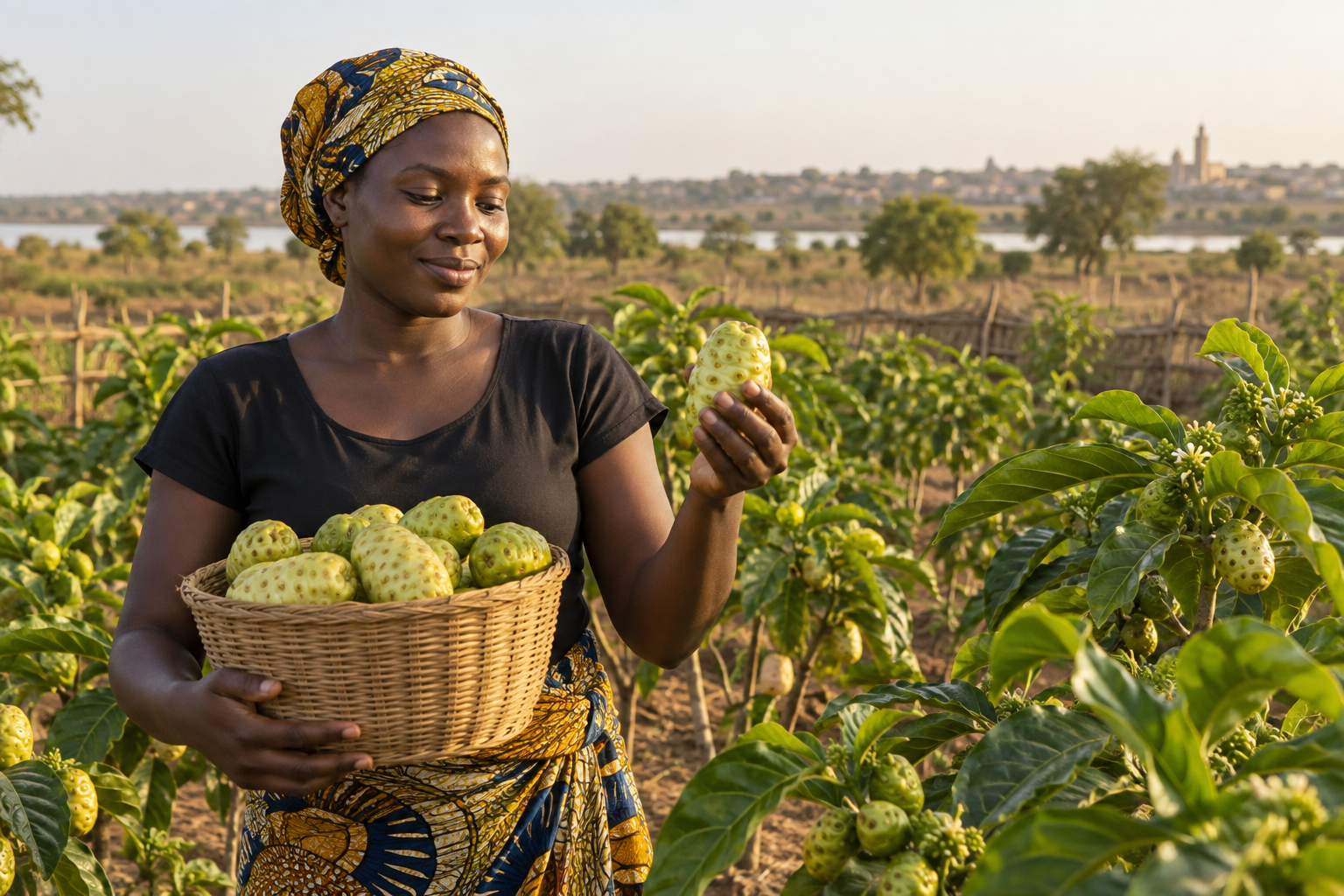
    On a two-hectare farm near Ségou, Mali, Safoura Cissé is transforming an unusual fruit into a growing local business.

    Safoura began working with noni in 2019 and founded Health Secret Mali to cultivate, process and sell products made from the fruit. Her company produces noni juice and powder, adding value to a crop grown locally instead of selling it only as raw produce.

    In 2021, she received $2,500 in seed funding through a youth entrepreneurship programme run by the United Nations Development Programme and the Tony Elumelu Foundation. The support helped her establish a small processing and packaging unit.

    According to UNDP, the business has created five full-time jobs and seven part-time jobs for young people in the community. Safoura has also introduced a micro-jet irrigation system to use water more efficiently and is moving towards fully organic production.

    Her ambition is to expand Health Secret Mali into a major West African noni-processing business powered by renewable energy.

    Safoura’s story shows what positive African progress can look like: local agriculture, entrepreneurship, responsible use of resources and new opportunities for young people.

    Source: United Nations Development Programme

    https://www.undp.org/africa/waca/blog/safoura-cisse-queen-noni-virtuous-agro-industry

  • One Solar-Powered Tablet Is Transforming a Rural Classroom in Somaliland

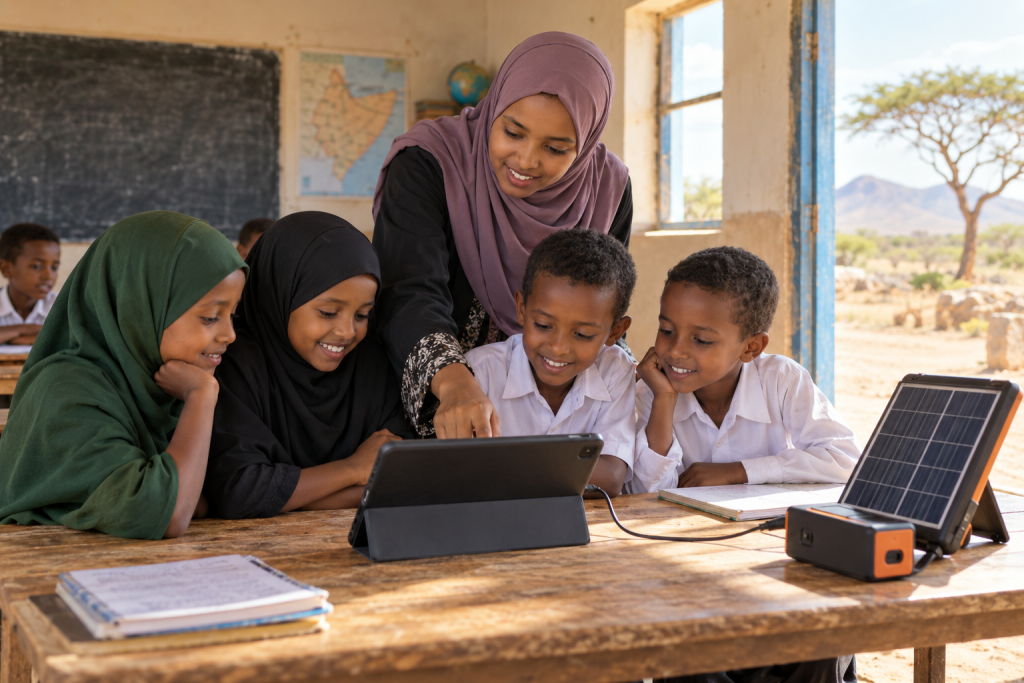
    At Geedbalaadh Primary School in Somaliland, teacher Khadan Cabdi Bade is using one solar-powered tablet to help around 30 children learn.

    Because there is only one tablet, Khadan divides the pupils into small groups according to their learning level. Each group takes turns using digital lessons while she supports the other children.

    The project began with 15 teachers across five schools. Teachers reported stronger student engagement, better participation and understanding, and greater confidence in their teaching.

    The technology works even without access to the electricity grid. Solar panels power the school, while a compact solar unit keeps the tablet charged throughout the lessons.

    After the success of the pilot, the programme is preparing to expand to 56 schools across Somaliland.

    This is what positive progress looks like: simple technology, renewable energy and a dedicated teacher working together so rural children are not left behind.

    Source: UNICEF Somalia https://www.unicef.org/somalia/stories/powered-teach

  • Africa Heads for a Record Year in Solar Power

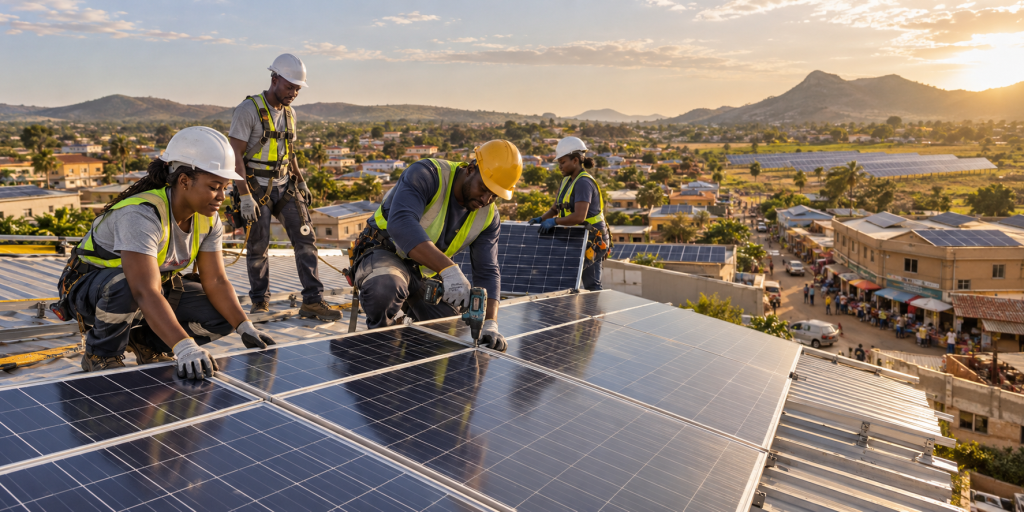
    Africa is on course to install a record 17 gigawatts of solar power in 2026—an increase of 45% compared with last year—according to new analysis by energy think tank Ember.

    That is equivalent to roughly 100,000 solar panels being installed every day. It would also mark Africa’s third consecutive record year, following strong growth in both 2024 and 2025.

    The progress is spreading far beyond Africa’s traditional solar leaders. Thirty-six of the continent’s 54 countries are expected to install record amounts of solar capacity this year, while installations could more than double in 19 countries.

    Why It Matters

    Much of this expansion is being driven by smaller solar systems used by homes and businesses. These installations can bring electricity to communities, support local enterprises and reduce dependence on unreliable power supplies without waiting for large national projects.

    A Brighter Future

    The solar surge shows how quickly practical technology can spread when it becomes affordable and accessible. It is a powerful sign of African households, entrepreneurs and communities taking their energy future into their own hands.

    Source: Ember and African Tech Futures Lab

  • African Innovators Win $50,000 for Transforming Education

    Three African innovators from the Democratic Republic of the Congo, Nigeria and Zimbabwe have received a total of $50,000 for developing creative solutions that are helping to transform education across the continent.

    The awards were presented at the African Union’s Innovating Education in Africa 2026 Expo, which brought together educators, researchers, young people and technology innovators to showcase home-grown solutions for improving learning.

    Genyss from the Democratic Republic of the Congo won first prize and received $25,000. Blue Sands STEM Labs from Nigeria received the $15,000 second prize, while Skill Corp from Zimbabwe won third prize and received $10,000.

    Why It Matters

    These awards show that African innovators are creating practical answers to Africa’s education challenges. By improving access to quality learning, strengthening digital inclusion and preparing young people with future-ready skills, their work could benefit learners far beyond their own countries.

    A Positive Step Forward

    The success of Genyss, Blue Sands STEM Labs and Skill Corp is another reminder that Africa’s young thinkers are not waiting for change—they are building it.

    Source: African Union

  • South African Innovator Turns Farm Waste into Biodegradable Plastic

    South African Innovator Turns Farm Waste into Biodegradable Plastic

    A young South African researcher has developed an innovative biodegradable material made from agricultural waste, offering farmers a more environmentally friendly alternative to conventional plastic.

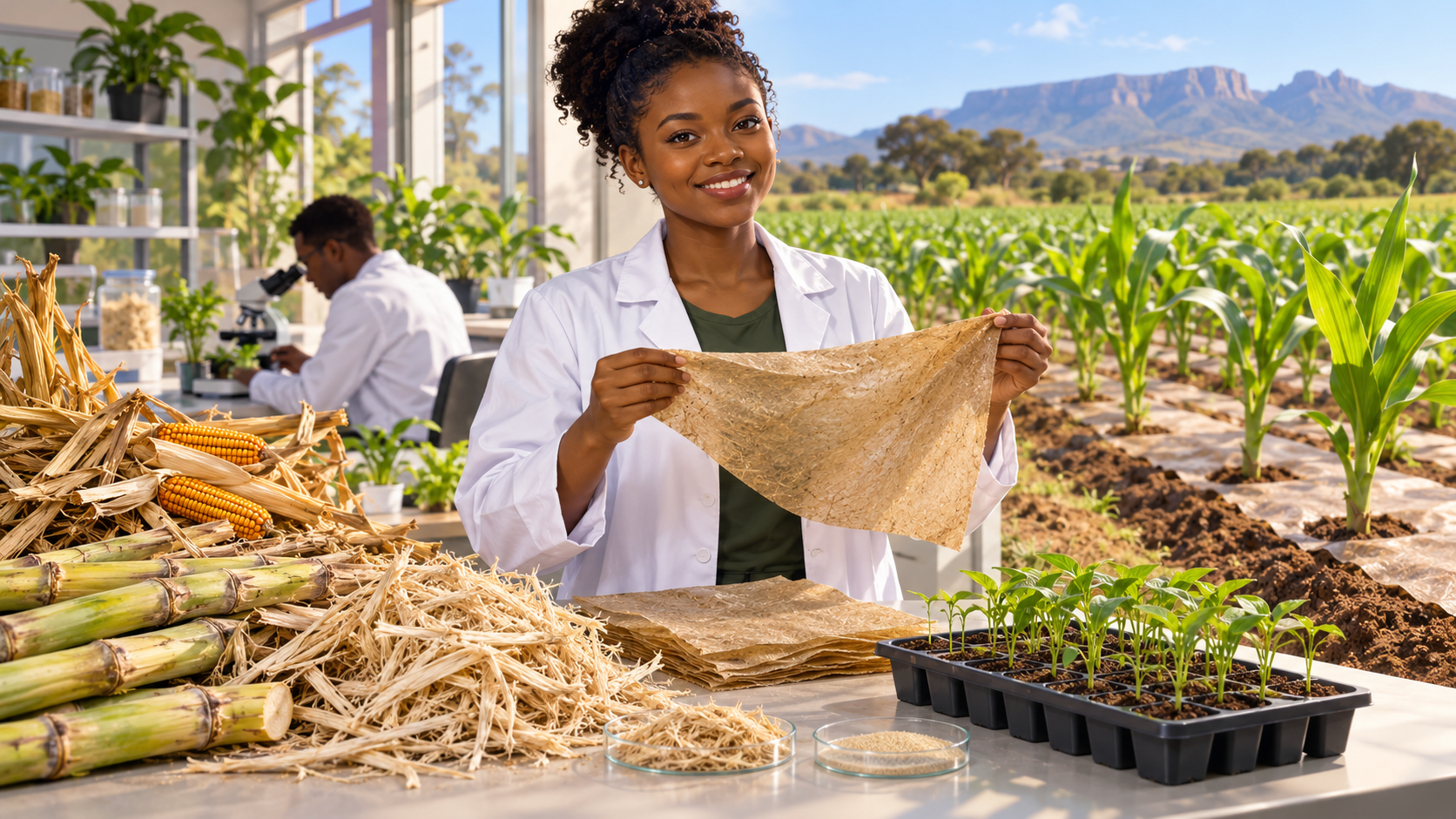
    Onndinadaho Rasilwela, a chemical-engineering researcher at Tshwane University of Technology, created the product using materials including sugarcane bagasse and maize stalks that might otherwise be discarded.

    Known as “Biomulchies,” the material is designed for use as agricultural mulch. Farmers use mulch to control weeds, retain moisture and regulate soil temperature around their crops.

    Unlike conventional plastic mulch, which can remain in farmland and contribute to long-term pollution, Biomulchies is designed to break down naturally in the soil after use.

    Rasilwela’s innovation won first prize at the 2026 Green Youth Indaba in South Africa. She received R150,000 to support the project and help move the idea closer to wider use.

    Her achievement demonstrates how young African innovators can transform agricultural waste into useful products while supporting farmers, protecting soil and creating opportunities within the green economy.

    Source: Tshwane University of Technology https://www.tut.ac.za/newsroom/all-news/2026/tut-student-innovator-turns-agricultural-waste-into-award-winning-biomulchies.php

  • Nigeria: Solar-Powered Food Factory Supports Women and Farmers

    Nigeria: Solar-Powered Food Factory Supports Women and Farmers

    In Lagos, Nigeria, entrepreneur Blessing Unoka is showing how clean energy can strengthen food production, create jobs and support local farmers.

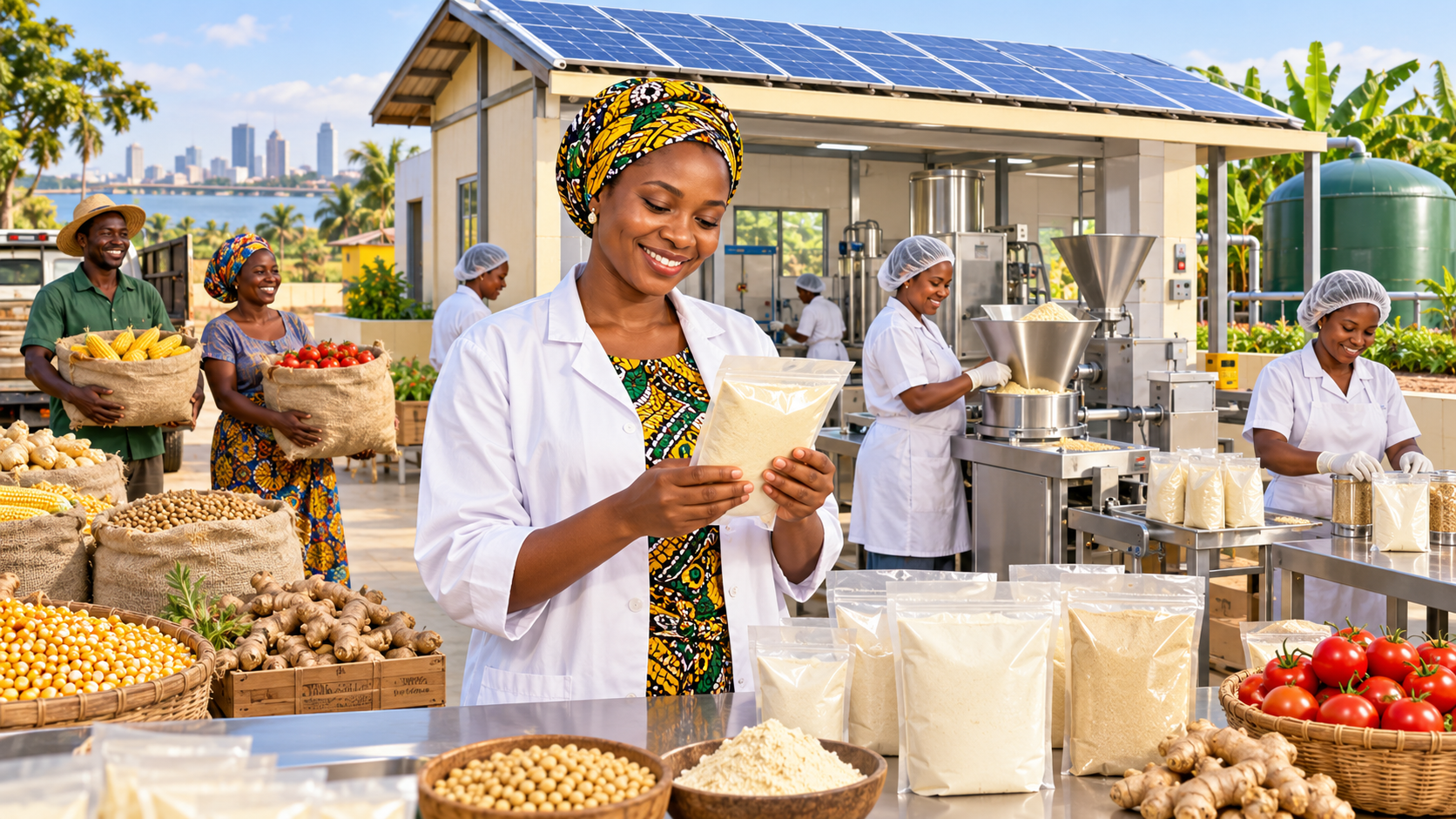
    Her company, Sambal Enterprise, operates a solar-powered food-processing centre that does not rely on diesel generators or grid electricity. It processes soybeans, maize, ginger and tomatoes into products including soya milk powder, plantain flour and maize flour.

    The business currently employs 50 women and purchases crops from more than 200 smallholder farmers. This provides farmers with a reliable market while creating employment opportunities for women working in food processing and distribution.

    Sambal Enterprise also uses a biodigester to transform organic waste from its operations into cooking energy and fertiliser. This circular system reduces waste and helps the business avoid approximately 15 tonnes of carbon emissions each year.

    In August 2026, the company won first place at the AfroHackathon clean-energy innovation challenge in Accra, Ghana. The award recognised its practical combination of renewable energy, food production and community impact.

    Blessing Unoka’s achievement demonstrates how African entrepreneurs can build profitable businesses while supporting farmers, creating jobs and protecting the environment.

    Source: Energy News Network https://energy-news-network.com/industry-news/afrohackathon-winner-blessing-unoka-sambal/

  • Senegal Prepares to Host Africa’s First Olympic Sporting Event

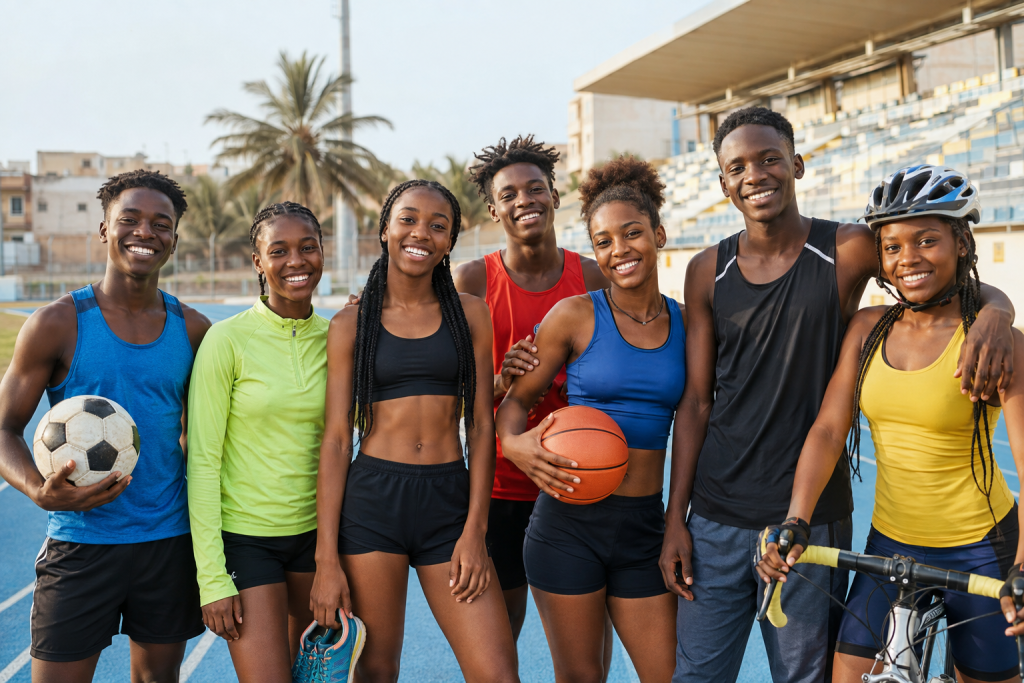
    Senegal is preparing to make history as the host of the Dakar 2026 Youth Olympic Games—the first Olympic sporting event ever to take place on African soil. The Games will run from 31 October to 13 November 2026, marking a proud and exciting moment for Senegal and the entire African continent.

    Around 2,700 young athletes aged 17 and under will come together from across the world. They will compete in 25 sports at venues in Dakar, Diamniadio and Saly, while celebrating friendship, talent and the power of young people.

    The Youth Olympic flame will be lit in Athens on 10 September before travelling to Senegal. Its journey will visit all 14 regions of the country, giving communities across Senegal an opportunity to share in this historic celebration.

    Dakar 2026 is more than a sporting competition. It is an opportunity to showcase Africa’s ability to welcome the world, organise major international events and inspire a new generation. For young Africans, it sends a powerful message: Africa is ready, talented and full of possibility.

    Source: International Olympic Committee – Dakar 2026

  • A South African Apple Farm Is Growing Jobs and Opportunity

    A South African Apple Farm Is Growing Jobs and Opportunity

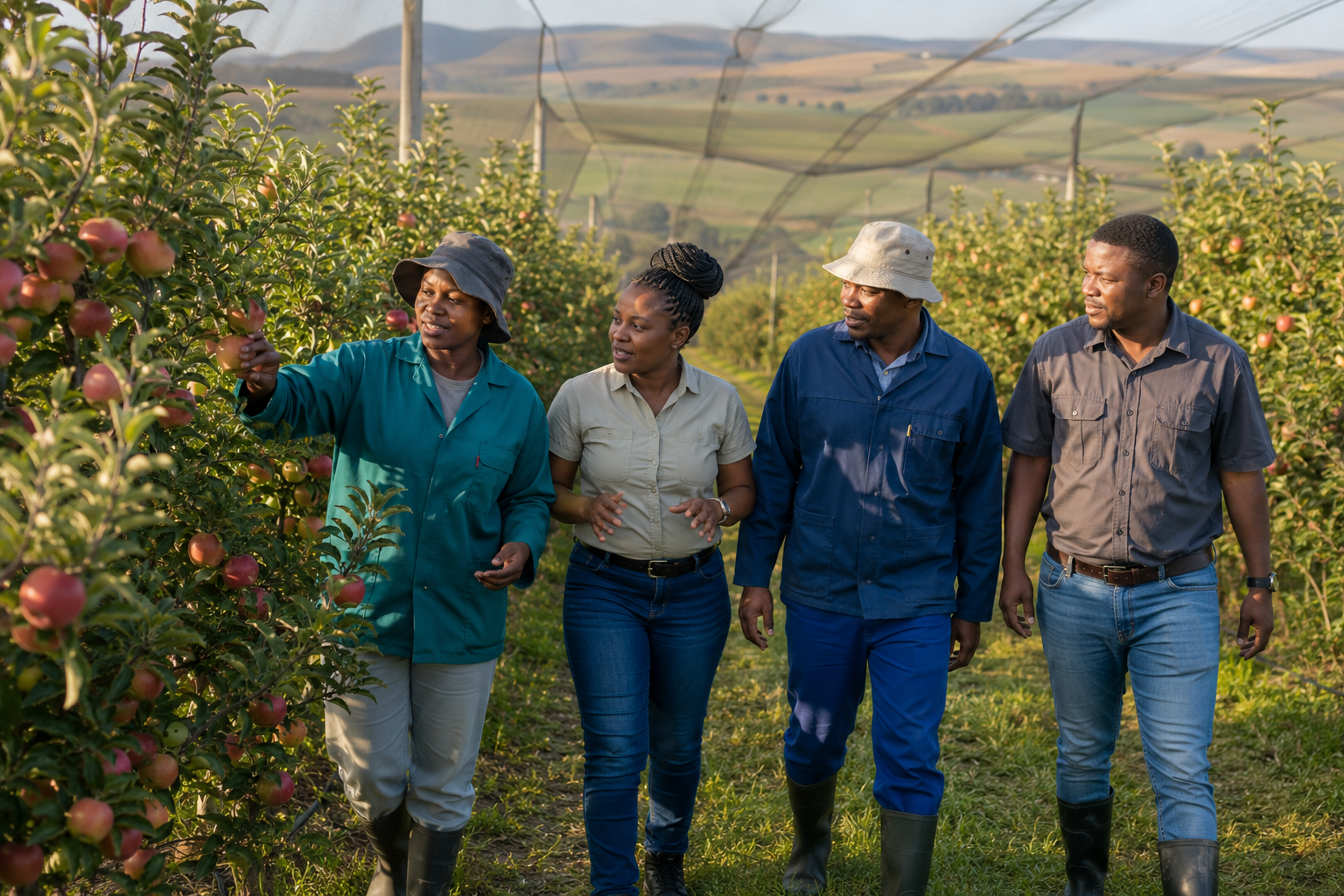
    Near Bethlehem in South Africa’s Free State, an apple-growing partnership is showing how agriculture can create jobs, encourage innovation and open new opportunities.

    Remmoho Investments in Agriculture is a 100% black-owned enterprise led by Pitso Sekhoto. Working in partnership at Stead Farm, the business is developing modern apple orchards and aims to create as many as 500 jobs in the region.

    The newer orchards use improved apple varieties, higher planting density and modern protective netting. By planting approximately 3,300 trees per hectare—almost twice the density of the older orchards—the farmers expect to increase both productivity and income.

    The nearby Maluti pack house expects to handle around 8,000 tonnes of apples during the season. Modern electronic and optical equipment helps sort and grade the fruit, while employees pack the apples by hand and receive regular training.

    Around half of the apples are exported, while the remainder are sold through South African supermarkets, fresh-produce markets and local traders. This means the business is reaching international customers while continuing to support the local economy.

    The project demonstrates what can happen when experienced farmers, ambitious entrepreneurs, technology and training come together. It is not only growing apples—it is growing skills, employment and confidence in the future of African agriculture.

    For MyHappyAfrica, this is a story of partnership and practical progress: people using the land, knowledge and opportunity available to build something that can benefit an entire region.

    Source: African Farming
    https://www.africanfarming.com/2026/08/16/how-a-free-state-apple-farm-is-transforming-agriculture/

  • Africa Comes Together to Build a Stronger Health Workforce

    Africa Comes Together to Build a Stronger Health Workforce

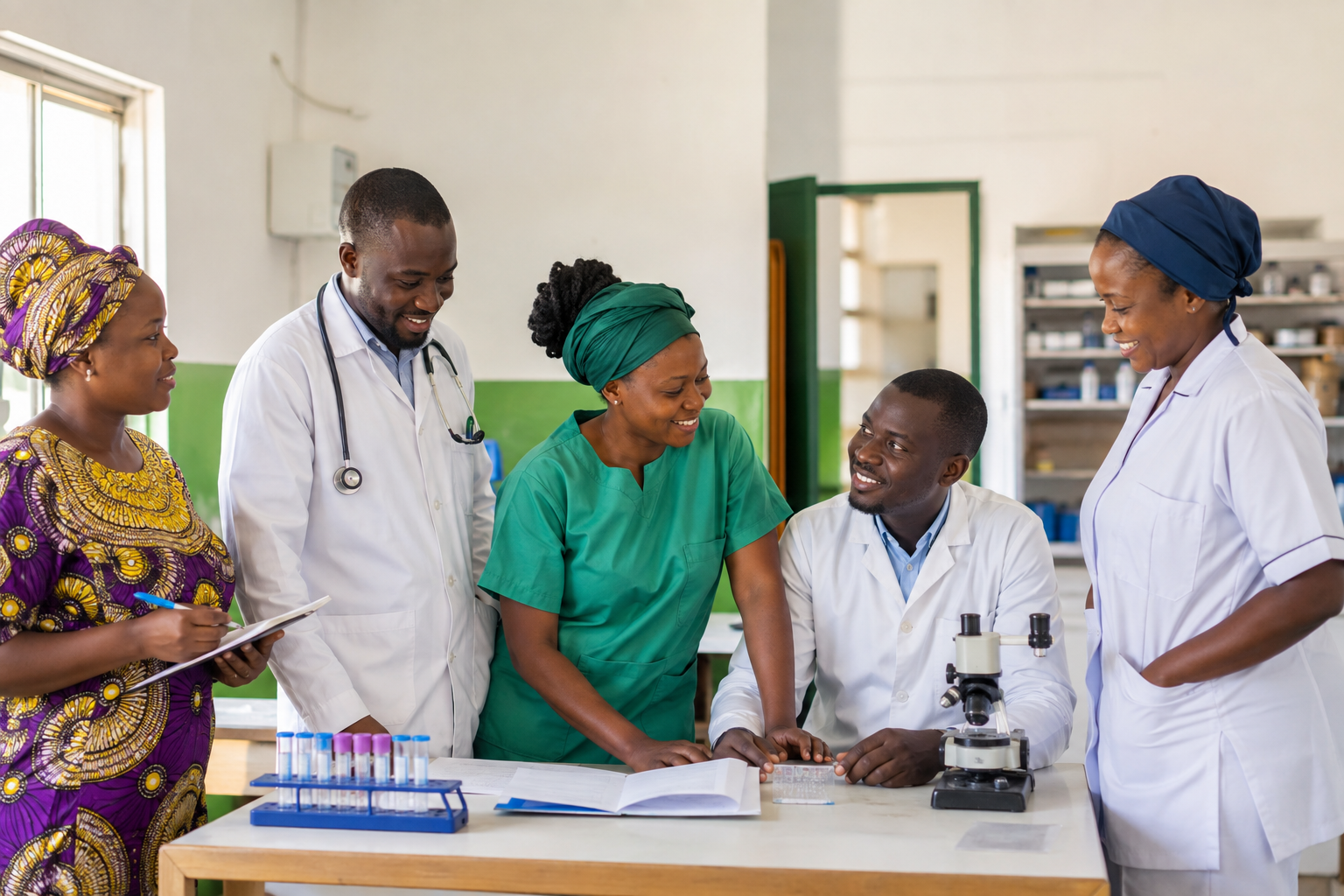
    Across Africa, countries are coming together around an ambitious shared goal: to train, employ and retain three million additional health workers by 2035.

    The commitment forms part of the Africa Health Workforce Agenda 2026–2035. It recognises that strong healthcare systems depend on the people serving patients every day—including doctors, nurses, midwives, pharmacists, laboratory professionals and community health workers.

    For many African communities, increasing the number of qualified health workers could mean shorter journeys to receive care, better support for mothers and babies, faster responses to disease outbreaks and more dependable local clinics.

    The initiative is also about opportunity. Training and employing more health professionals can create skilled jobs for young Africans while helping countries retain valuable talent. When healthcare workers can build rewarding careers at home, their knowledge continues benefiting the communities that helped raise and educate them.

    No country can solve every healthcare challenge alone. By sharing knowledge, coordinating training and working towards a common target, African countries can build stronger and more resilient health systems together.

    This is the kind of progress MyHappyAfrica celebrates. It demonstrates that when people and countries unite behind a practical goal, ambitious change becomes possible.

    Three million more health workers is a bold target—but cooperation can turn bold ideas into real improvements in people’s lives.

    Source: World Health Organization Regional Office for Africa
    https://who-africa.africa-newsroom.com/press/african-countries-commit-to-train-and-retain-3-million-more-health-workers-by-2035?lang=en